
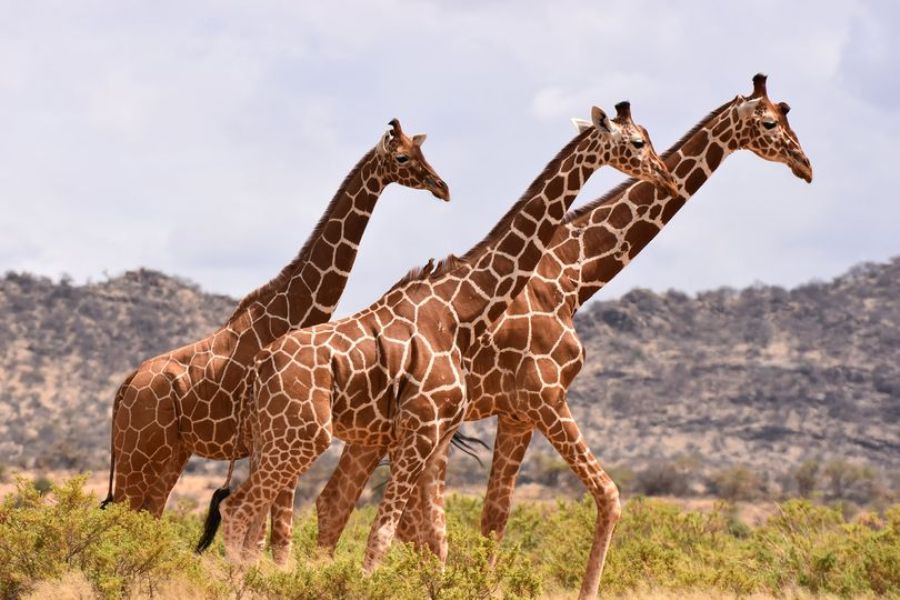
Situated in the Laikipia region of Kenya, Ol Pejeta Conservancy makes for one of the most unique and incredible places to see wildlife in the country. It is a place where extraordinary landscapes meet an abundance of wildlife, conservation measures, and thrilling adventures.
Ol Pejeta is well-known for the conservation of rhinos and houses the last two remaining northern white rhinos. Its Sweetwaters Chimpanzee Sanctuary gives visitors the opportunity to see wild animals that are not usually seen on a Kenyan safari.
Whether you are going on a short trip from Nairobi or adding Ol Pejeta to your longer safari, the conservancy will give you an incredible experience through the combination of taking in wildlife, conservation efforts, scenery, and the adventure.
Where Is Ol Pejeta Conservancy?
Located in Laikipia County and nestled between the Aberdares and the mighty Mount Kenya, Ol Pejeta Conservancy is a prime location for many Kenya safari itineraries.
The conservancy is made up of an area of about 360 square kilometers, and it offers a habitat to a number of wildlife species. The combination of open plains, wooded areas, wetlands, and sources of seasonal water provides a variety of habitats for animals.
One of the good things about visiting Ol Pejeta is that you can see Mount Kenya in the background on a clear day. It makes for a scenic view of the plains full of wild animals.
The conservancy is also easily accessible from Nairobi by road.
Why Is Ol Pejeta Famous?
Ol Pejeta is regarded as an example of ecotourism because it is a destination combining wildlife tourism with conservation.
Unlike a conventional place where tourists witness animals, Ol Pejeta offers opportunities to find out first-hand what conservation activities are taking place there.
This conservation area is particularly famous for:
Rhino conservation including:
- The last two living northern white rhinos
- Black and white rhinos
- Sweetwaters Chimpanzee Sanctuary
- Conservation of lions and other predators
- Protection of endangered species
- Wildlife study
- Sustainability of local people
- Education in conservation
Ol Pejeta is one of the main reasons NGOs and travelers come to this region.
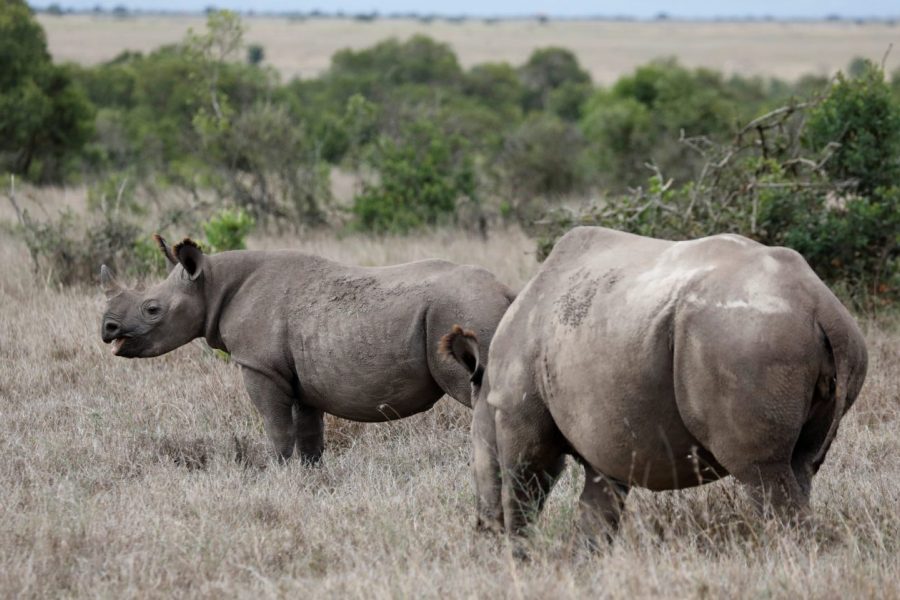
The conservancy provides a vital home to black rhinos and southern white rhinos.
Many visitors will have the chance to see them in their natural habitat.
This is encouraging because rhinos everywhere are under threat due to habitat loss and poaching.
At Ol Pejeta, we aim to protect rhinos by promoting macro conservation efforts.
The story of the Northern White Rhinos
If there is a single conservation story for which Ol Pejeta is better recognized globally, it is that of the northern white rhino.
The conservancy is home to the world’s last two surviving northern white rhinos, Najin and Fatu. Being females, it can therefore be assumed that the species cannot reproduce naturally anymore.
Thus, their presence in Ol Pejeta has made the conservancy an important center for international conservation research and conservation activities aimed at saving the northern white rhino from extinction.
Visitors can learn more about the plight of these animals through specially organized conservation experiences.
The visit will not be a case of seeing just another animal in the wilderness but an opportunity to learn about the problems rangers face in the process of protecting endangered species and conducting genomic research.
Meet the chimpanzees at Sweetwaters Chimpanzee Sanctuary.
One of Ol Pejeta’s most unique attractions is the Sweetwaters Chimpanzee Sanctuary. Chimpanzees aren’t native to Kenya, so seeing them during a safari can be a surprise to visitors.
The sanctuary offers a safe habitat for chimpanzees that were rescued from situations where they wouldn’t be able to survive on their own in the wild.
During a visit, visitors can gain insight into chimpanzee behavior, conservation, rehabilitation, and other issues that great apes face today.
The sanctuary also offers learning opportunities for those who are interested in primates and wildlife conservation.
For those traveling with children, the sanctuary may be particularly appealing because it is unique and different from typical safari experiences.
Wildlife You Can See at Ol Pejeta
While rhinos and chimpanzees are some of the most popular animals in Ol Pejeta, they are not the only animals one can see in the conservancy. There is a wide variety of wildlife species living in the conservancy:
- African elephants
- Lions
- Leopards
- African buffaloes
- Giraffes
- Zebras
- Common eland
- Hartebeest
- Gemsbok
- Warthogs
- Hippopotamus
- Hyenas
- Jackals
The Big Five at Ol Pejeta
Ol Pejeta is yet another location in Kenya where tourists can see the African Big Five.
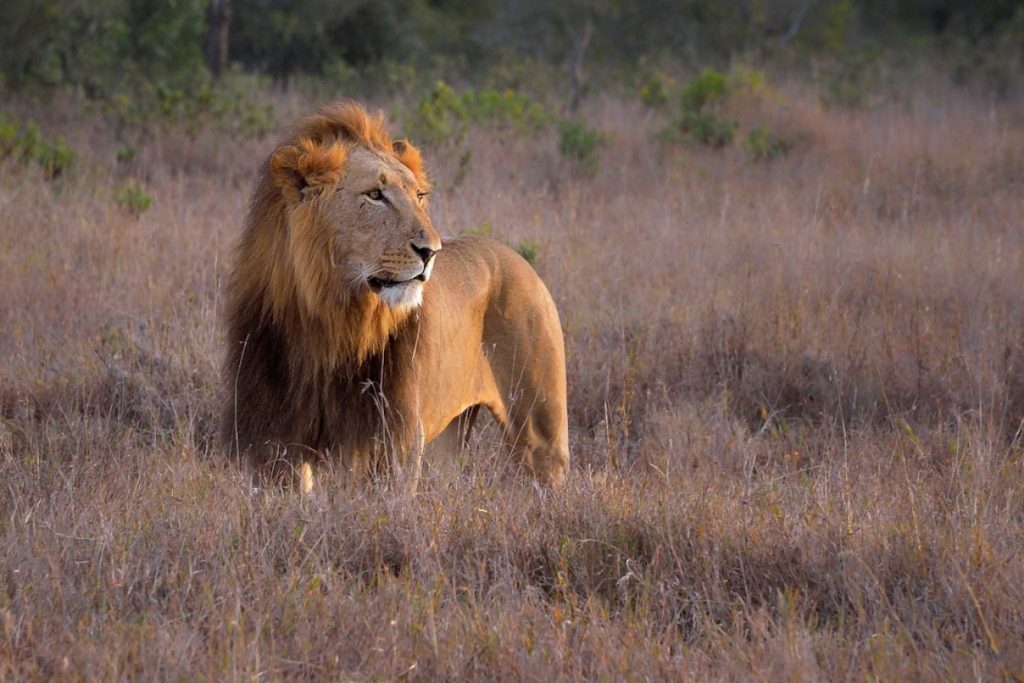
They are as follows:
- Lion
- Leopard
- Elephant
- Buffalo
- Rhino
While there can never be guarantees when it comes to wildlife sightings, Ol Pejeta does provide an interesting site for those enthusiasts looking for the Big Five.
Rhino sightings, in particular, are important since visitors get to see black and white rhinos in a conservation setting.
Game Drives
Of all activities carried out in Ol Pejeta, safari tours are considered the most entertaining.
In the morning hours, when temperatures are cooler, you can see a lot of animals.
For instance, herds of zebras may be crossing the savannah while the towers of giraffes can be seen browsing trees; elephants may get in between the territories of various animals, while predators try their luck hunting.
Although wildlife observation might be a little different in the afternoon hours, with the changing light providing excellent photography opportunities, it is still a fantastic way of seeing the beauty of nature.
With the help of a professional wildlife ranger or safari guide, you will become acquainted with animal behaviour and learn how to read tracks, identify plants, and learn more about conservation activities taking place in the park.
Night Game Drives
Participating in a night game drive provides visitors with a whole new viewpoint of Ol Pejeta.
As soon as the sun sets, certain animals become more lively while others get ready for bed.
With an expert driver and the use of a spotlight, those on the drive may discover nocturnal species and witness activities that are usually not seen on a day drive.
In addition, going on a nighttime excursion provides chances for seeing more predatory animals as they begin to be more active.
For photographers or someone who has been on a safari before, this drive gives an opportunity to experience something different from a typical daytime journey.
Lion Conservation Experiences
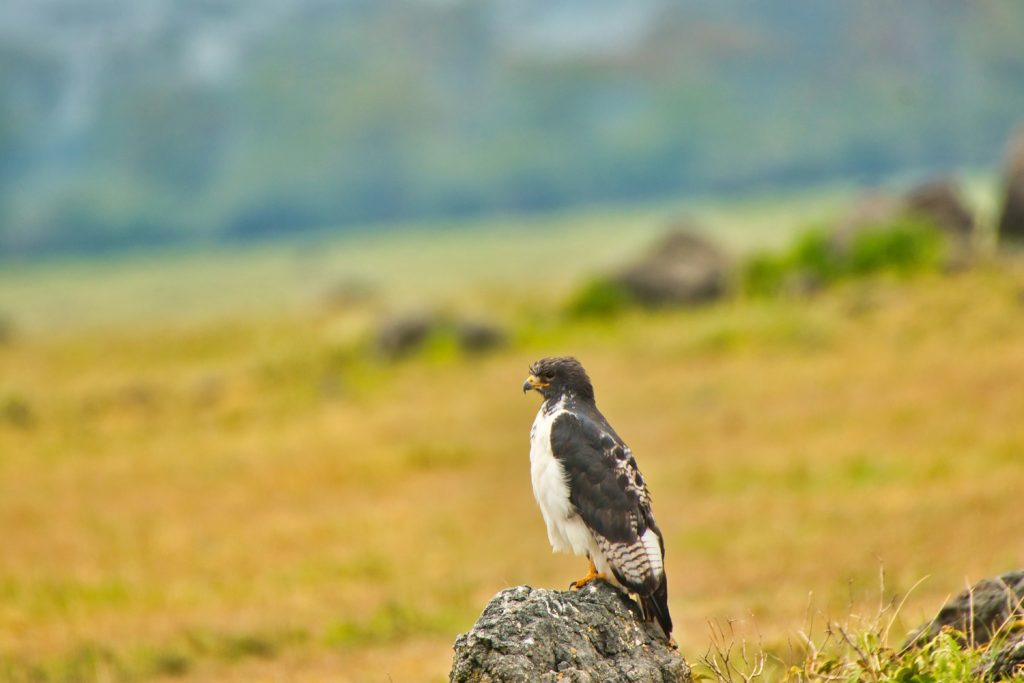
Visitors to Ol Pejeta can learn more about how predator conservation works.
Lions play an important role in an ecosystem but can face difficulties when their habitats encroach on human settlements and livestock.
Conservation efforts aim to learn more about the population of predators and eliminate the conflict between wildlife and the local communities.
Gaining knowledge about these efforts will give visitors an insight into wildlife conservation in the absence of national parks.
The Endangered Species Experience
Conservation-conscious travelers can take advantage of unique experiences to learn more about endangered species.
Travelers can learn about monitoring and protecting endangered species instead of just taking pictures of animals while in a car.
Some experiences include the following subjects:
- Wildlife monitoring
- Anti-poaching operations
- Veterinary care
- Habitat protection
- Species research
- Community conservation
It is best to confirm arrangements for particular experiences because availability and requirements may vary.
Explore the Morani Information Centre
When visiting the Morani Information Centre, tourists will find an opportunity to gain more insight into the conservation practices of Ol Pejeta.
This destination is beneficial for tourists because it provides them with background information before going on a safari in the region.
For instance, one can gain knowledge about the history of the sanctuary that they are visiting and the different animals that they will spot.
Mount Kenya and Ol Pejeta Views
The view is amazing at Ol Pejeta.
On clear days, Mount Kenya serves as a great background to the plains.
This mix of wildlife, landscape, and open fields is a paradise for any photographer.
An early morning has nice light, while late afternoon creates silhouetted, dramatic views.
The placement of Ol Pejeta makes it suitable for travelers going to Mt. Kenya and Aberdare.
Birdwatching at Ol Pejeta
Ol Pejeta is about much more than just big mammals.
The conservancy has many different birds, making it an attractive spot for birdwatchers.
Depending on the season and the type of ground, visitors may see raptors, waterbirds, grassland birds, and even some small colorful birds.
The variety of birdlife is thanks to different habitats that also add to the experience for photographers.
Activities Beyond Game Drives
One of the great things about Ol Pejeta is the wide range of experiences available.
Depending on the season and other working factors during your stay, activities may include:
Guided Nature Walks
Walking allows seeing the environment differently.
From the walking safari, rather than looking at the landscape from the comfort of a safari car, one can notice small details such as tracks, plants, and birds among other species.
Cycling
Cycling is a great way of being active while discovering certain parts of the conservancy.
This sport brings exercise and the possibility to see animals and landscapes, but it is important to clarify which routes and conditions to expect in advance.
Conservation Experiences
Special kinds of conservation experiences let travelers discover how wildlife protection is done behind the scenes.
Such experiences will be of interest to those tourists who wish to learn more about the connection between tourism and conservation.
Cultural Experiences
Depending on the tour program and local preparation, tourists may also include taking part in local culture and community activities in their itinerary in the Laikipia region.
This will give an opportunity for travelers to learn more about communities living next to wildlife.
Best Time to Visit Ol Pejeta
There is no wrong time to travel to Ol Pejeta.
Dry periods may be seen as the prime time for wildlife spotting because animals tend to be concentrated around water points, while greenery is low.
Nevertheless, wet seasons may offer some advantages.
Locations get a vibrant green color, bird movements are amazing, and the crowds are smaller in comparison.
Thus, the best time to visit depends on your trip preferences. If you want to spend most of your time watching animals, engaging in photography, or visiting Ol Pejeta as part of the trip around Kenya, it makes sense to keep in mind seasonal factors.
How Many Days Do You Need at Ol Pejeta?
Ol Pejeta can be visited in just one day, but two nights will give you an opportunity to take in your surroundings at a more leisurely pace.
Your daytime visit could be:
- Day 1: Traveling from Nairobi and an afternoon game drive.
Your two-night itinerary above could look as follows:
- Day 1: Traveling from Nairobi and an afternoon game drive.
- Day 2: Morning game drive, chimpanzee sanctuary, and conservation experiences.
- Day 3: Morning activity before heading elsewhere.
What To Take For Ol Pejeta
Bring light and practical clothing appropriate for game drives.
The essentials include:
- Although people will not mind taking whatever they want, it is essential to have light and comfortable clothes in neutral colors;
- A sweater or cardigan for chilly evenings;
- Comfortable hiking shoes;
- Hat;
- Sunglasses;
- Sunscreen;
- Insect repellent;
- Binoculars;
- Camera;
- Spare batteries.
Final Thoughts
Ol Pejeta Conservancy provides a new experience for your Kenya safari.
The chance to see the rhino, visit the Sweetwaters Chimpanzee Sanctuary, look for predators, see Mount Kenya, and learn more about conservation work requires more than simply being a place to view animals.
Moreover, it is easy to reach Ol Pejeta from Nairobi, which is good for both short breaks and long Kenya safaris.
Whether you are visiting for the first time, a photographer, travelling with a family, or just love to conserve, Ol Pejeta should be on your agenda.
Visiting this place is about discovering more than just wildlife. It is also about getting acquainted with people, science, conservation, and the unique landscapes of the country.
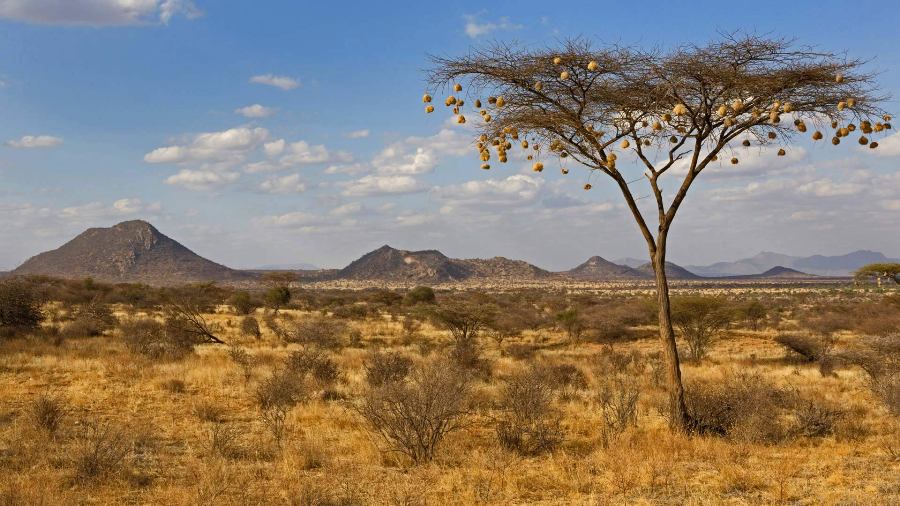
Samburu National Reserve is one of Kenya’s distinctive safari destinations, offering experiences unlike the Maasai Mara, which has become a household name. Located on the banks of the Ewaso Ng’iro River in northern Kenya, the reserve offers awe-inspiring scenery, unique wildlife, rich cultural experiences, and excellent game viewing.
The reserve is popular because of the “Samburu Special Five,” which are the five animal species that are known to be found in the area and are hard to find anywhere else in other popular safari destinations in southern Kenya.
From the gerenuk to the reticulated giraffe and Grevy’s zebra, to mention a few, wildlife experiences are truly unique.
Where Is Samburu National Reserve?
Samburu National Reserve lies in northern Kenya in the Samburu Region, about 350 kilometers from Nairobi via road.
In the Samburu ecosystem are other immense nature reserves like Buffalo Springs and Shaba.
The reserve lies along the Ewaso Ng’iro River, whose permanent waters attract wildlife all year round.
The landscape of the area contains hills, flat plains, acacia vegetation, forests along the rivers, and mountain ranges at a distance.
That is why the landscape of Samburu is much different from the widely known open savannah associated with safaris in Kenya.
What Makes Samburu Special?
Samburu is unique in terms of its mixture of wildlife, landscapes, and the culture of northern Kenya.
One of its most important features is its ability to host animals that live in the dry northern environment.
The most popular fauna here includes:
- Reticulated giraffes
- Grevy’s zebras
- Gerenuks
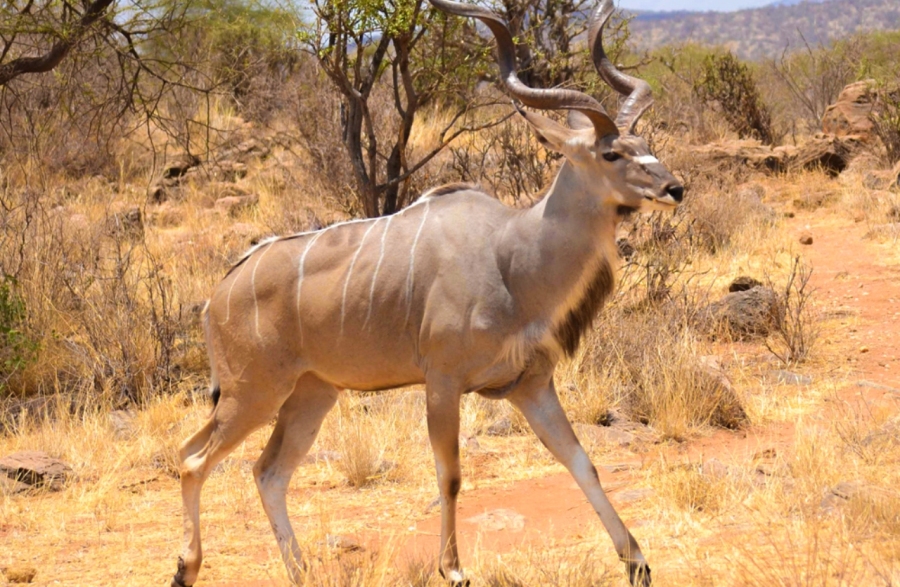
- Beisa oryx
- Somali ostriches
- Elephants
- Lions
- Leopards
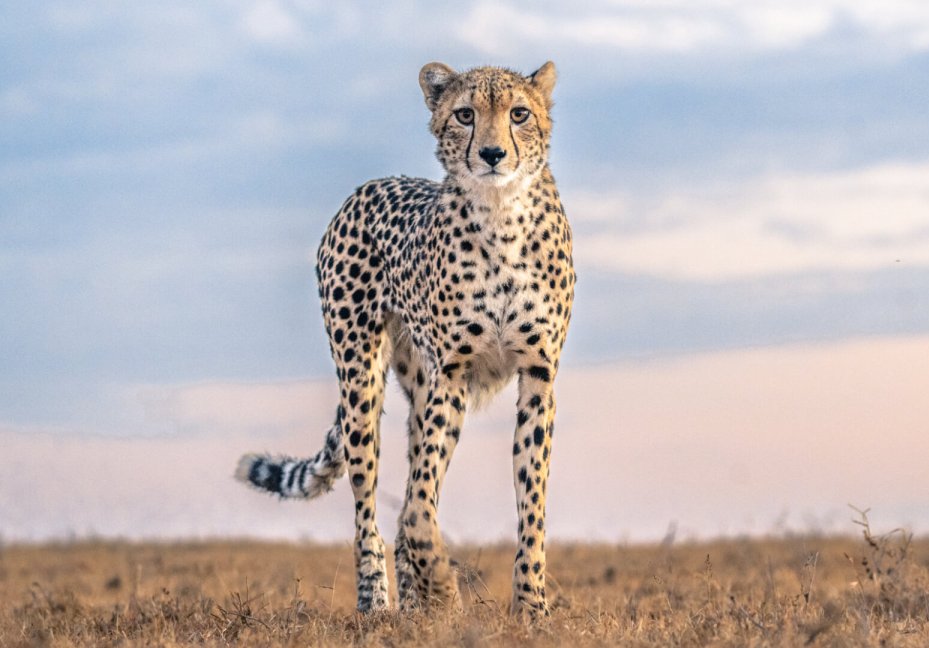
- Cheetahs
- African wild dogs
- Crocodiles and hippopotamuses found along the river.
Visitors are offered a chance to interact with the Samburu people and obtain knowledge about how they relate to the environment.
Discover the Samburu Special Five
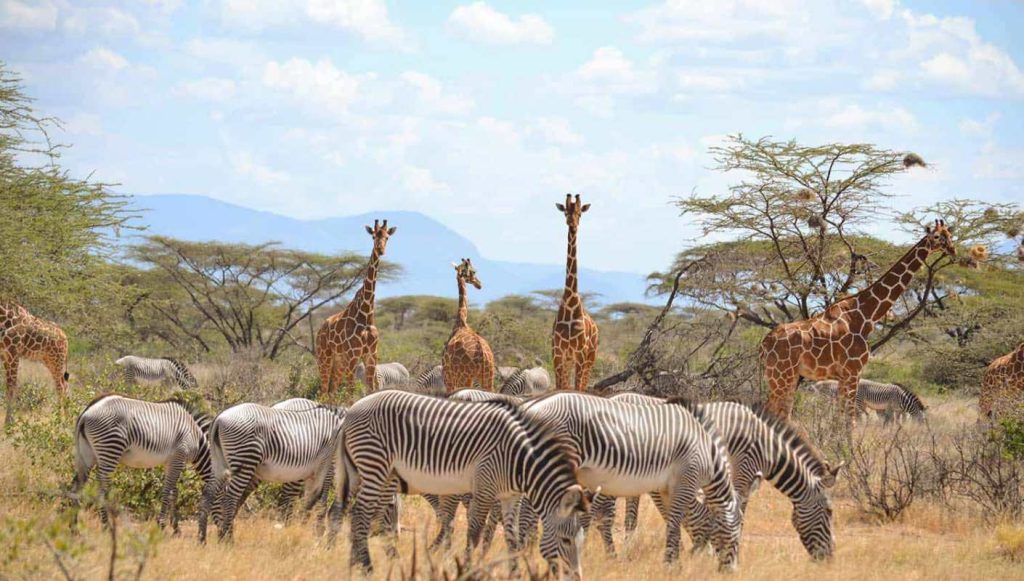
The five unique species of Samburu explain why the herds of tourists flock to the region in Kenya.
They are the:
- Grevy’s zebra
- Reticulated giraffe
- Gerenuk
- Beisa oryx
- Somali ostrich
All these animals have special adaptations that help them survive in the arid regions of northern Kenya.
This unique experience will not leave visitors the same after seeing these animals in the wild during their trips to Kenya that already included visits to such places as Maasai Mara or Amboseli.
Grevy’s Zebra
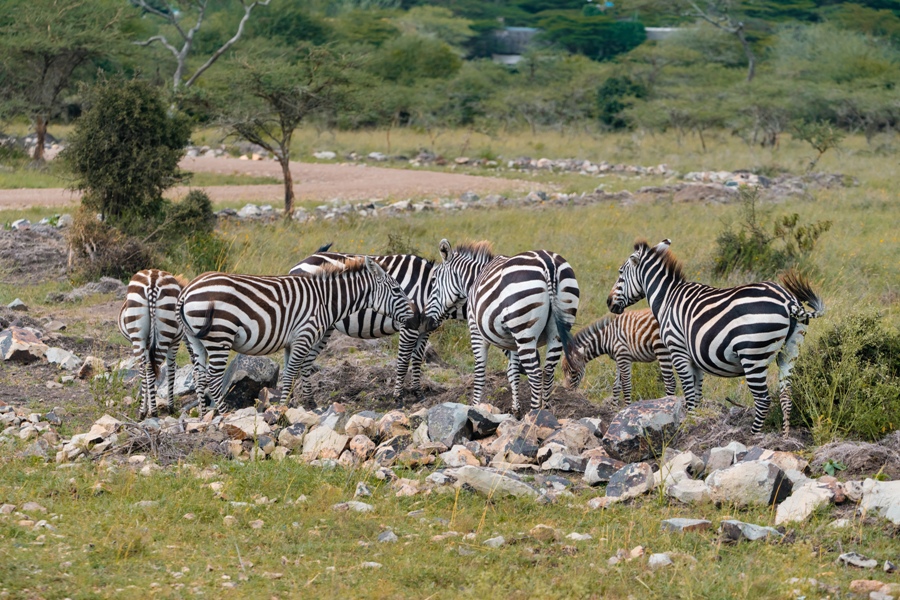
Grevy’s zebra is a bigger zebra; it has narrower stripes in a larger number.
It is also more closely associated with northern Kenya and Ethiopia.
Unlike the common zebra, Grevy’s zebra has large ears that are rounded at the top, and the belly is white.
Therefore, conservation is important for the species because it has suffered a lot in recent years.
Reticulated Giraffe
The reticulated giraffe has an interesting and well-done geometric pattern.
The coat has large reddish-brown spots on the surface that are clearly marked, thus giving the giraffe a remarkable appearance.
Samburu is one destination where tourists can see the reticulated giraffe.
Gerenuk
This animal may be considered one of the most distinctive animals from the Samburu Special Five. Also known by the name that translates to “the giraffe-necked antelope”, gerenuks are recognisable due to their lanky necks and thin legs. They exhibit an interesting behaviour of standing up on their hind legs in order to be able to reach vegetation which is otherwise too high up in trees.
Many antelopes acquire moisture through drinking, but these antelopes get moisture through their food too, thus allowing them to thrive in dry habitats.
Beisa Oryx
This species is a mighty antelope inhabiting dry places. The antelope has beautiful straight horns and interesting black facial and body markings. Oryxes are commonly spotted walking on the open plains, sometimes in small groups.
Somali Ostrich
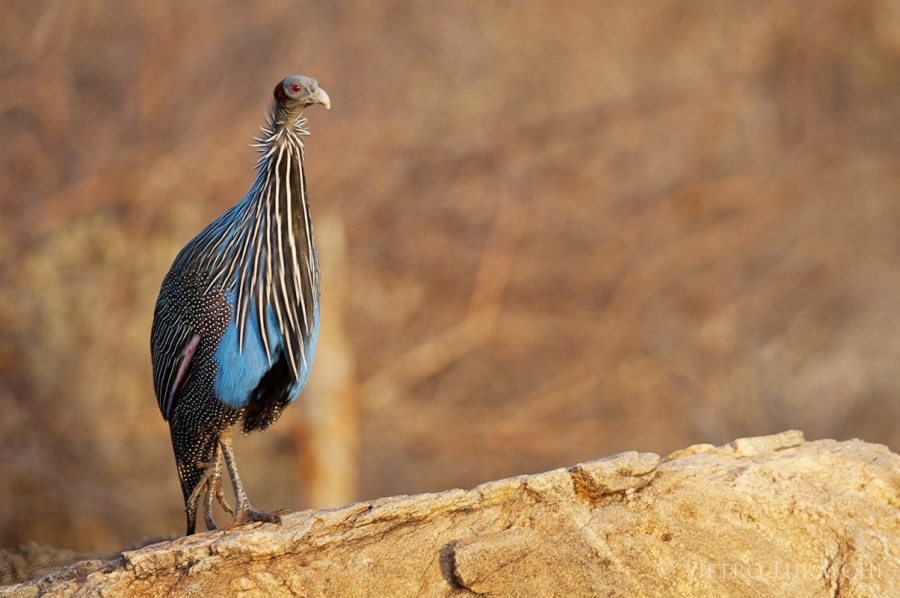
The Somali ostrich is a blue-grey bird with distinctive neck and legs, which makes the bird another animal linked with northern Kenya.
Elephants Along the Ewaso Ng’iro River
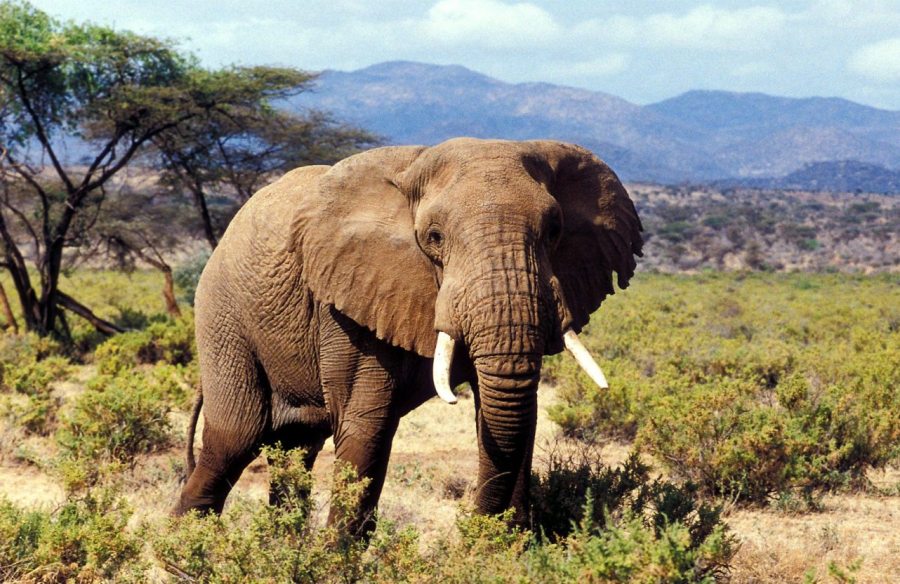
Elephants are one of the animals that leave a lasting impression in Samburu.
Ewaso Ng’iro River acts as a crucial water source, especially during the dry season.
The elephants can often be seen making their way through the river to drink water or reach the surrounding vegetation.
Watching elephants in Samburu’s beautiful landscape can also provide promising opportunities for taking photos.
The river is also home to other wildlife, making it one of the best places for game viewing.
Lions, Leopards and Other Predators
Samburu is home to various predators found in Africa.
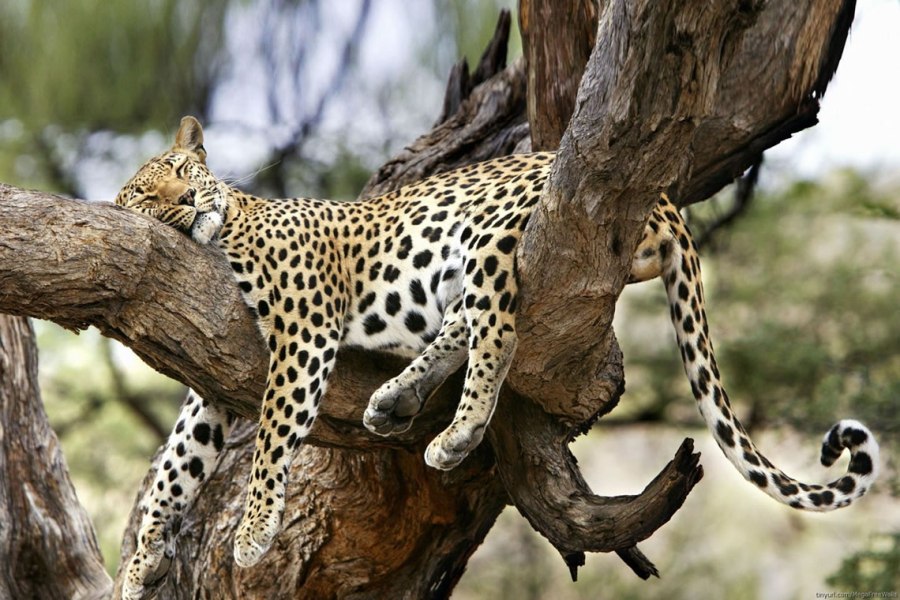
Lions roam freely throughout the reserve, while leopards tend to be more elusive and are often hard to spot.
Cheetahs, on the other hand, can sometimes be seen hunting in the open plains.
An interesting predator found in the Samburu ecosystem is the African wild dog.
Although there are no guarantees of finding wild dogs, encounters with packs are among the highlights of safaris in northern Kenya.
Whether or not predators are seen during a game drive depends on the season, prey availability, weather, and animal movements, so every game drive is unique.
Wildlife along the Ewaso Ng’iro River
The Ewaso Ng’iro River that is found in Samburu, is one of the most important features of the park.
The vegetation along the river corridor produces a green zone in an otherwise dry area, attracting elephants, buffaloes, giraffes, antelopes, and birds.
Other creatures found in some of the sections of the river include crocodiles and hippos.
Photographers will enjoy amazing contrasts between riverine vegetation and dry landscape.
Birdwatching in Samburu
Samburu is the perfect place for birdwatchers.
The combination of riverine vegetation, open plain, woodland, and dry habitat makes it possible to find various bird species in the reserve and its surroundings.
Depending on the season, birdwatchers can see raptors, hornbills, bee-eaters, vultures, ostriches, weavers, kingfishers, and even smaller species.
Birdwatching can easily be combined with a game drive, especially during quiet times.
It is highly recommended to take binoculars.
The Landscape of Samburu
Samburu is more than just wildlife.
It also boasts eye-catching landscapes.
These landscapes feature:
- Savannah plains
- Distant hills
- Rocky cliffs
- Woodland made up of acacias
- Water vegetation in rivers
- Seasonal streams
The dry land structure gives rise to striking contrasts between golden grassland, lush river vegetation, the blue sky, and the rugged hills.
The major attractions include sunrise and sunset, when the shadows move across the hills and plains.
Samburu and Buffalo Springs
Samburu National Reserve is a part of a larger ecosystem incorporating Buffalo Springs National Reserve, located across the Ewaso Ng’iro River.
Both reserves have similar wildlife and are located in proximity.
Including both national reserves in the itinerary of northern Kenya gives a richer experience of the ecosystem.
The two reserves also enable seeing different wildlife depending on the movement of animals during your visit.
Shaba National Reserve
Shaba National Reserve is yet another nearby destination that can be included in an itinerary of northern Kenya.
This area is known for its ravaging landscape comprising dry plains, rugged features, and river habitat.
Shaba enables you to experience the larger ecosystem with a different landscape than that in Samburu.
Samburu Culture Experiences
Samburu can offer cultural experiences with the local Samburu community.
The Samburu community has a close bond with livestock, nature, animals, and the environment.
Cultural experiences can give visitors a chance to learn about the traditional way of life, clothing, music, dances, handicrafts, and customs of the area.
Cultural tourism must be responsible. Tourism should become a part of organized experiences and be done in accordance with local communities’ traditions.
Local guides will explain the essence of different cultures.
Best Things to Do in Samburu
Samburu safari can provide different experiences.
Game Drives
Wildlife safari is the main activity of the tour.
It is also possible to conduct two safaris.
Bird Watching
Birding can be another activity of the trip.
Cultural Visits
Cultural activities are wonderful for learning about the culture of the local people.
Nature and Scenic Viewing
The fantastic vistas create great opportunities for observing nature and taking pictures.
Sundowners
Sundowner activities can be arranged at appropriate sites, enabling travelers to see the beautiful process of changing colors of the sun and enjoy the beauty of Northern Kenya simultaneously.
Best Time to Visit Samburu
The destination can be visited all year round.
Nevertheless, dry seasons are generally preferred by most tourists.
During the dry spells, vegetation is minimized, and animals can be seen better around watering holes such as the Ewaso Ng’iro River.
Moreover, the terrain is more navigable during dry periods.
Wet seasons also have advantages. The rain changes some areas of the otherwise arid terrain, bird activity increases, and the reserve is definitely greener.
So the most favorable time for visiting the region depends on the wildlife potential, birdwatching opportunities, or photo shooting.
How Many Days Do You Need in Samburu?
A two-night stay would be a good option for visiting Samburu.
Here is a sample itinerary:
- Day 1: Get transferred from Nairobi to Samburu and have an evening game drive.
- Day 2: A morning game drive, some relaxation time, a visit to a local cultural site and/or some more wildlife activities, and then an evening game drive again.
- Day 3: A morning game drive before heading back home.
If time permits, it is possible to go on a three- or four-night safari to Samburu, Buffalo Springs, and Shaba.
Longer stays also increase the chances of spotting hidden animals like leopards and wild dogs.
What to Pack for a Samburu Safari
Given the hot climate of Samburu, it is important to be prepared for the situation.
Some of the recommended items for safari include:
- Light fabric clothing
- Comfortable walking shoes
- Layer to keep warm in the morning
- Hat
- Sunglasses
- Sunblock
- Insect spray
- Binoculars
- Camera
- Spare batteries
- Rechargeable battery
- Sustainable water bottle
Neutral garments would be the best choice for the safari if one is going to engage in game drives as well as walking activities.
A light jacket will also be beneficial as mornings and evenings can be colder than expected.
Why Include Samburu in Your Kenya Safari?
Samburu offers travelers a different experience on a safari in Kenya.
Instead of just searching for the Big Five, tourists will have the opportunity to seek animals that have adapted specifically to the northern part of the country.
The Special Five, Ewaso Ng’iro River, varied geography, elephants, predators, birds, and cultural experiences make for a comprehensive safari.
It is also a fantastic pick for people who have been to Maasai Mara, Amboseli, or Tsavo before and want to see other places in Kenya.
Final Thoughts
Samburu National Reserve is one of the most unique safari places to visit in Kenya.
The unique wildlife, beautiful landscape, Ewaso Ng’iro River, and Samburu culture bring something new to the safari.
People can interact with the elephants around the river, try to find the leopard, see gerenuk standing on their back legs, and be inspired by the patterns of the reticulated giraffe.
In addition, observing this part of the country allows travelers to learn about the unique species.
Kenya is one of the best places in Africa for wildlife photography. The beauty of Kenya’s scenery, wildlife, and weather allows you to shoot everything from animal portraits to nature photography.
A wildlife photography safari in Kenya isn’t just about visiting the park and taking your camera along. Your choice of wildlife photography safari destination matters, as it can make a difference in terms of the people you photograph, the scenery you photograph, and the photography you do.
Every wildlife photography safari destination has its unique characteristics of the safari experience. Maasai Mara is well-known for open grasslands, a lot of predators, and the Great Migration. Amboseli is famous for elephants and Mount Kilimanjaro in the background.
In Samburu, you can see a wide variety of animals from northern Kenya. You can see rhinos and lots of birds in Lake Nakuru, while Tsavo has huge elephants and beautiful landscapes. Ol Pejeta provides many opportunities for the documentary side of photography.
In this guide, we describe the most rewarding wildlife photography destinations in Kenya, and how you can make use of these destinations.
Why Kenya Is Excellent for Wildlife Photography
A notable advantage of photography in Kenya is its diversity.
Within a single country, a photographer can travel from the open grasslands to dry northern regions, to wetlands, jungles, mountains, and semi-arid wilderness.
Various places provide different subjects for photography.
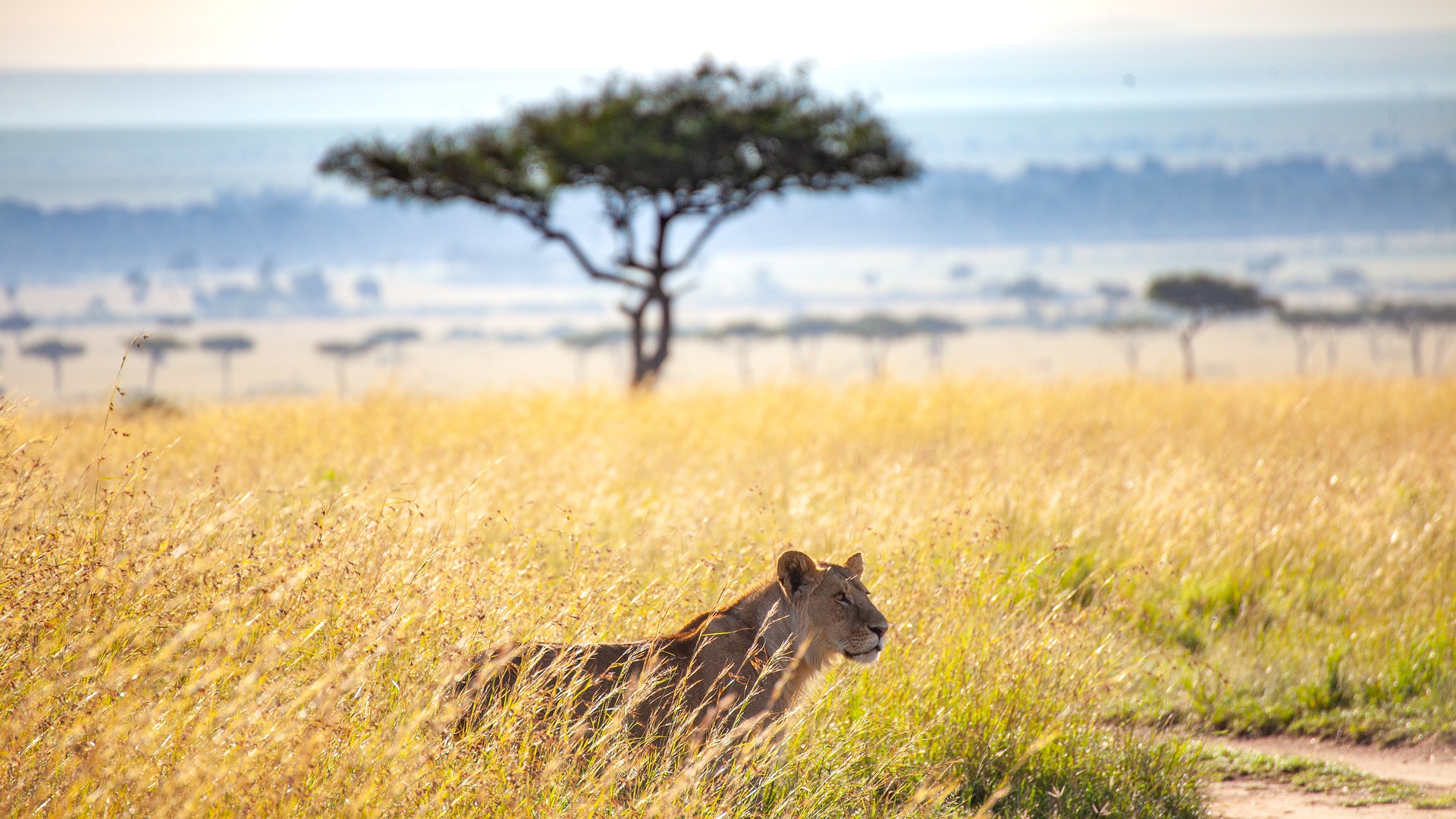
You can find:
- The lions and cheetahs in Maasai Mara
- The elephants under Mount Kilimanjaro in Amboseli
- The Grevy’s zebras and gerenuks in Samburu
- The rhinos at Ol Pejeta and Lake Nakuru
- The flamingos and other birds around the lakes in the Rift Valley
- The red-coated elephants of Tsavo
- The giraffes, buffaloes, antelopes and endless various birds
So, it will be possible for a person to form a route according to his/her interests in certain types of photo shoots, instead of trying to gather everything in a single national park.
1. Maasai Mara National Reserve: Best for Big Cats and Action
One of the most popular locations for wildlife photography in Africa is the Maasai Mara because of its extensive grasslands. The openness gives excellent visibility to wildlife photographers, while the full range of animals gives them the chance to shoot images of multiple species in action. Some of these animals include:
- Lions
- Leopards
- Cheetahs
- Elephants
- Buffalos
- Giraffes
- Zebras
- Wildebeests
- Hyenas
- Hippopotamuses
In addition, the landscape can provide good backgrounds that help photographers to isolate their subjects.
Photographing Predators in the Mara
The Maasai Mara is a destination that appeals to photographers who are keen on capturing images related to predator activities. The opportunities to see lions that are interacting within their pride, resting, or hunting are endless.
Cheetahs are another attraction too. One can always find plenty of opportunities to capture images of these animals in action as long as one has a camera with a good shutter speed and is well positioned. Leopards, on the other hand, can sometimes be tricky.
They can be elusive and spend a long time in places with thick vegetation, making the process of finding one very appealing for wildlife photographers.
Great Migration Photography
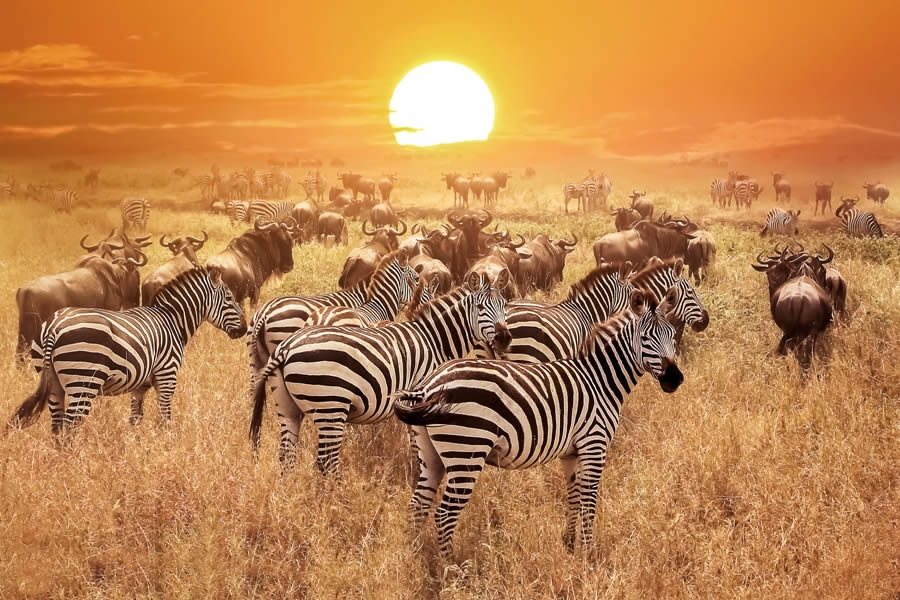
The yearly movement of wildebeest brings a new aspect of photography to Maasai Mara. The migration period witnesses an influx of thousands of wildebeest and other animals into the Mara ecosystem.
The river crossing during migration makes for some spectacular photographs of dust, water, animals, and activity. Sadly, the river crossings cannot be relied upon; therefore, not much of a photographer’s safari can be arranged around this feature.
Even when not in the migration season, the Maasai Mara remains an exciting place for photographic opportunities.
2. Amboseli National Park: Best for Elephants and Mount Kilimanjaro
Amboseli presents one of the best places in Kenya for wildlife photography.
One distinctive feature of the park is the numerous elephants and the stunning open landscape with a view of Mount Kilimanjaro in the background.
The thing that most photographers appreciate about this location is the combination of landscape and wildlife photography.
Just imagine the family of elephants moving across the vast plain with Kilimanjaro in the background; this is one of the images that made Amboseli popular all over the world.
Why Photographers Love Amboseli
Due to Amboseli’s open landscape, spotting and capturing wildlife is quite easy.
The following types of shots may be made here:
- Elephant portraits
- Elephant herds
- Environmental images of wildlife
- Different view of Mount Kilimanjaro
- Dust and shadow photography
- Giraffes images
- Images of zebras and wildebeests
- Photography of wetlands
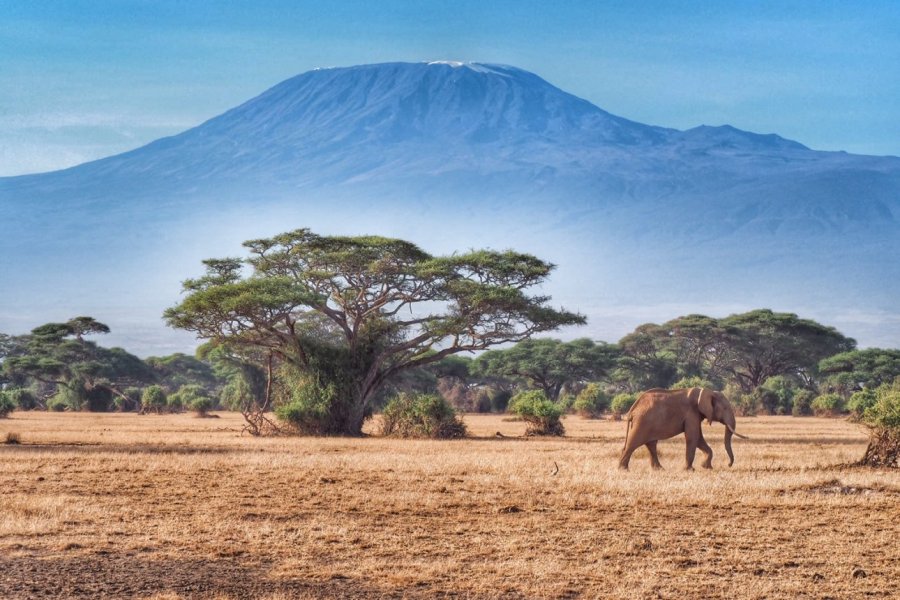
In the morning sunlight, photographers may get a clearer view of the mountain than later due to changing weather. However, they need to be prepared to capture good images even without the mountain.
3. Samburu National Reserve: Best for Unique Wildlife
Samburu provides an entirely different view than Maasai Mara and Amboseli.
The dry northern region has rocky ground and acacia plants, and it has riverine areas along with spectacular skies.
It is also known for the animals that live in the northern Kenya region.
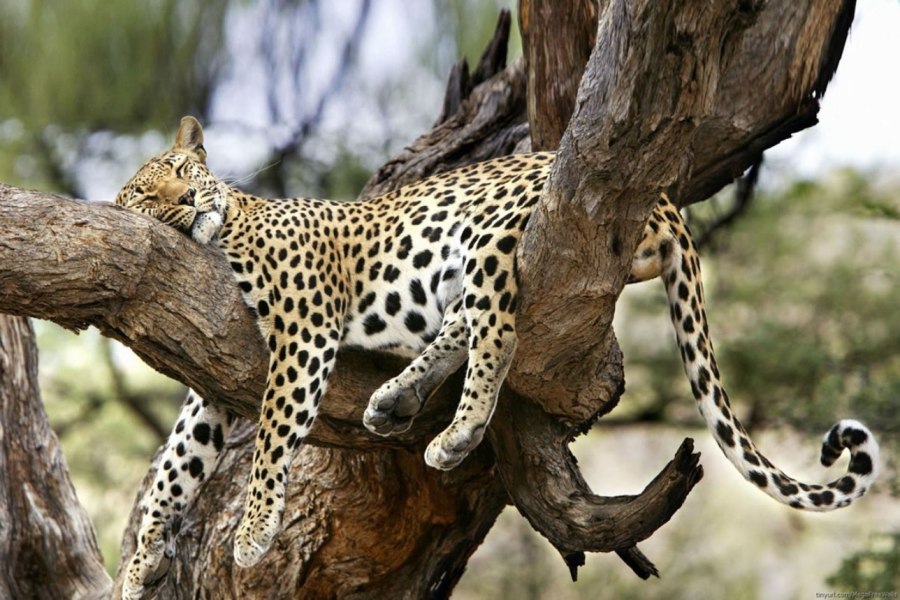
Photographers wish to find the five specific animal species of Samburu, also known as the Samburu Special Five:
- Grevy’s zebra
- Reticulated giraffe
- Gerenuk
- Beisa oryx
- Somali ostrich
These animals will provide a collection of photos that look very different from the photos taken in southern Kenya.
4. Lake Nakuru National Park: Best for Rhinos and Bird Photography
Lake Nakuru provides an unusual photographic opportunity different from the wide-open savannah parks.
This park encompasses not only a lake, but also woodlands, grasslands, and the Rift Valley scenery around the area.
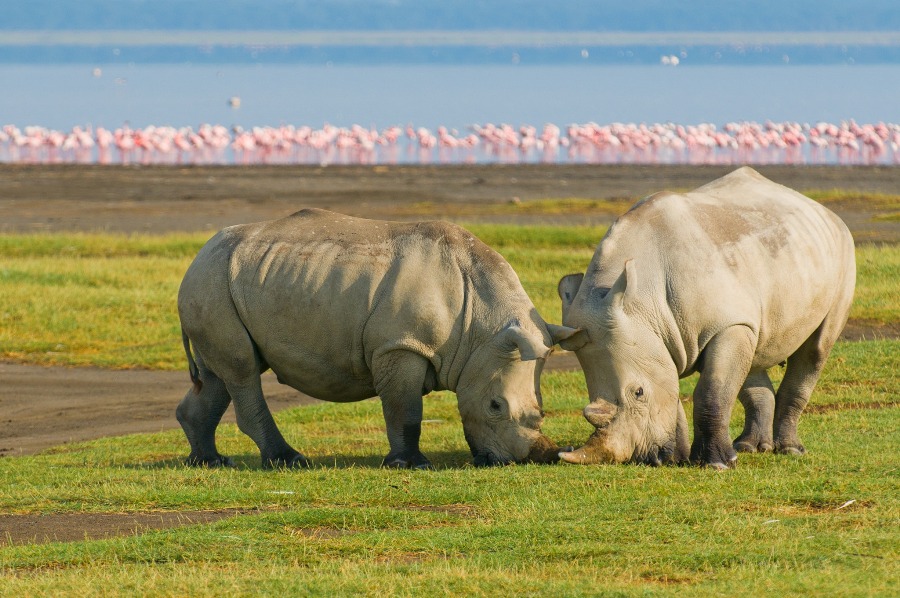
It is particularly useful for photographers who are interested in:
- White rhinos
- Black rhinos
- Flamingos
- Pelicans
- Waterbirds
- Rothschild’s giraffes
- Buffaloes
- Lions
- Leopards
While the number of flamingos can vary in accordance with the conditions of the lake, it is not wise to think that there will always be lots of birds at the shore.
In case there are fewer flamingos, Lake Nakuru will still be a great place to take pictures of other birds and rhinos.
5. Tsavo East and Tsavo West: Best for Wilderness and Dramatic Landscapes
Tsavo provides a unique type of wildlife photography.
The combined Tsavo East and West are a large wilderness that has large wilderness characteristics: open-sky scenery, hilly landscapes, and different habitats.
The highlight of Tsavo is the red-colored elephants.
The red color of the elephants comes from the iron-rich soil and dust in the surroundings.
The result is exceptional wildlife pictures that no other Kenyan wildlife parks can offer.
Beyond the Elephants
Tsavo has opportunities for photographers who want to capture images such as:
- Lions
- Leopards
- Giraffes
- Zebras
- Buffalos
- Antelopes
- Birds
- Crocodiles
- Hippopotamuses
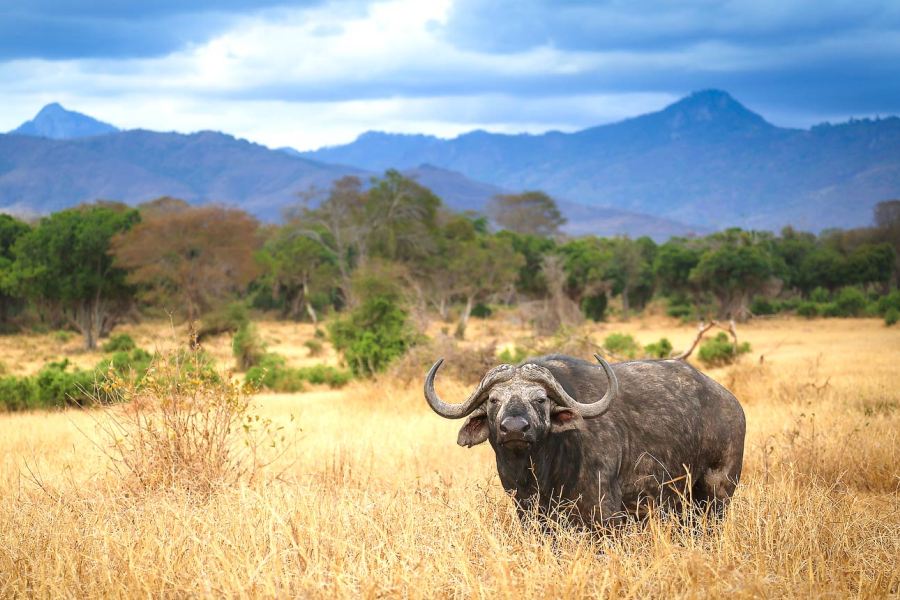
Tsavo West has attractions and volcanic features of interest, such as Mzima Springs, while Tsavo East offers scenery with wide-open spaces.
For photographers interested in environmental photography, Tsavo is perfect, as the landscape is a key component of the photos.
6. Ol Pejeta Conservancy: Best for Rhino and Conservation Photography
Although it is a conservancy and not a national reserve, Ol Pejeta must be included in every wildlife photography itinerary in Kenya. Ol Pejeta is located in Laikipia and boasts amazing opportunities for the photo shoots of elephants, lions, rhinos, chimps, and other wild animals.
With Ol Pejeta being so heavily focused on conservation, it allows for brand new aspects of wildlife tourism. It is possible to take pictures of different animals and learn about their conservation efforts to protect them and their environment.
Among other activities at the conservancy, rhino photography can be mentioned as one of the most attractive. Moreover, the last two northern white rhinos are also residing in Ol Pejeta, making wildlife conservation photography particularly important at this venue.
7. Nairobi National Park: Best for a Short Photography Safari
You do not have to travel for hours to take pictures of wildlife in Kenya!
In fact, Nairobi National Park is conveniently located at a short distance from the capital city, enabling one to take pictures of wildlife against the background of the buildings in Nairobi.
Thanks to the unique climate of the park, every year it hosts many different species of animals, including:
- Lions
- Rhinos
- Giraffes
- Cape Buffaloes
- Zebras
- Wildebeests
- Gazelles
- Numerous birds
If you have only a few hours for wildlife photography, the park is a great option to start with.
What Camera Gear Should You Bring?
You don’t need the latest and costliest camera equipment when going on a Kenyan photography safari.
A good quality telephoto lens can prove extremely useful in this regard.
An ideal equipment set might include:
- Camera
- Telephoto zoom lens
- Wide-angle or standard zoom lens
- Extra battery packs
- Multiple memory cards
- Power bank
- Bean bag or similar support
- Camera cleaning kit
- Dust-proof bag
- Binoculars
The optimal telephoto lens should be between 100 mm and 400 mm or 150 mm and 600 mm for wildlife photos.
A wider lens proves handy for landscapes, environmental portraits, and shots of animals that include their surroundings.
Wildlife Photography Settings
When it comes to safari photography, conditions can change rapidly.
For animals on the move, fast shutter speeds can freeze movement.
In practice, this means that faster settings can help when photographing:
- Cheetahs running
- Birds in flight
- Animals fighting
- Elephants walking
- Dusty action shots
When it comes to unpredictable movements, continuous autofocus capabilities as well as burst shooting methods must be used.
However, one should not think that technical settings alone can be enough to succeed in wildlife photography.
Understanding animal behaviour, paying attention to light, and predicting the movement of animals remain equally important.
Final Thoughts
A photography safari in Kenya is about so much more than just photographing the Big Five.
It is about acquiring varied photographs over a range of landscapes and climates.
The Maasai Mara has a lot to offer in terms of predator action and migration, while Amboseli provides elephants and spectacular Mt. Kilimanjaro backgrounds, and Samburu has unique species from the north. Lake Nakuru is home to rhinos and birds; Tsavo is large, wild, and beautiful, whereas Ol Pejeta makes you think about conservation.
The secret to a good photo safari is not only a good camera. You need to plan your time wisely, select your locations according to your particular interest in nature photography, find a good guide, and make sure you watch the lighting and animal behaviour, and let animals take you to a place of their own.
In the right hands, Kenya will not only let you record individual animals but landscapes, moods and tales of one of the most spectacular wildlife countries
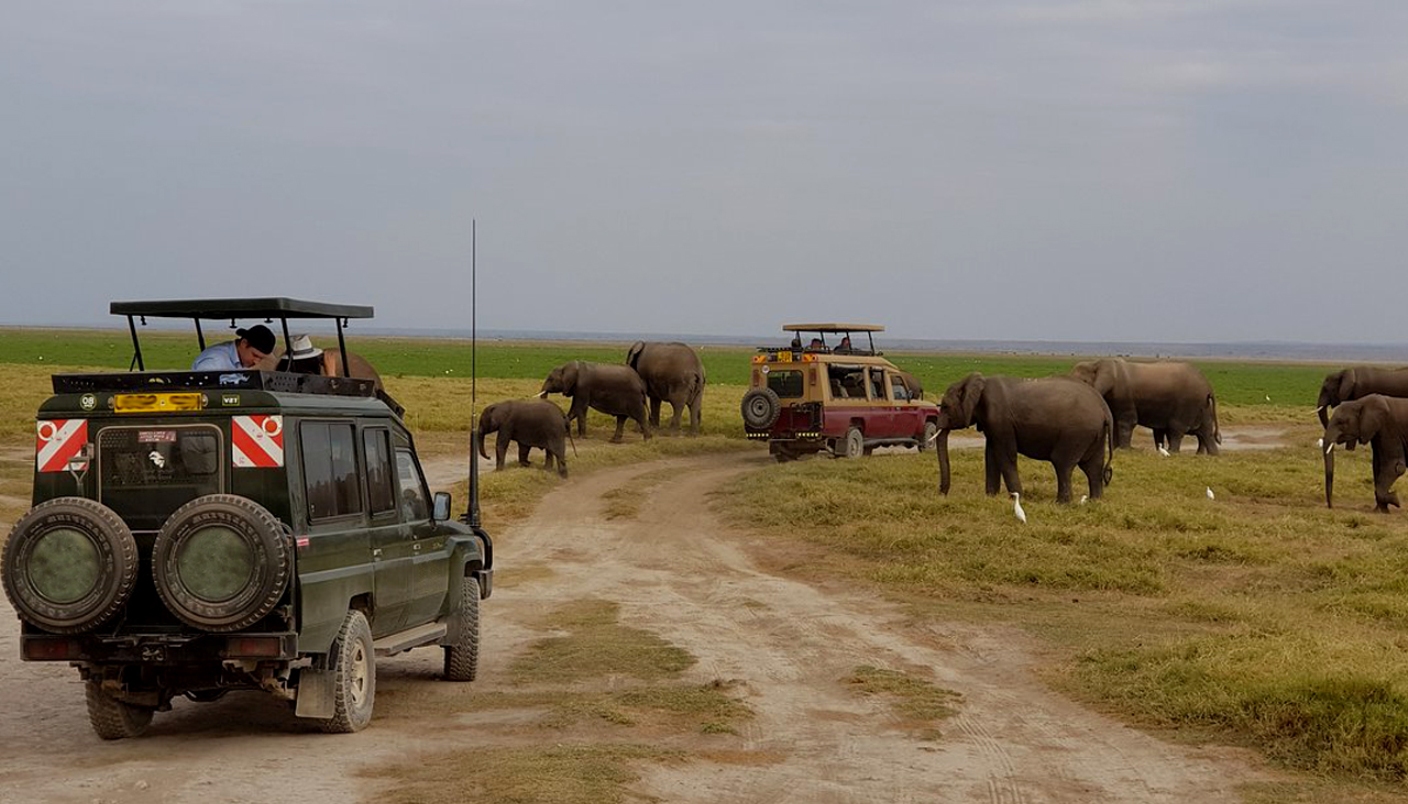
Amboseli National Park is one of Kenya’s best-known safari destinations, offering visitors an unforgettable experience with elephants, vast open spaces, wildlife viewing, and stunning Kilimanjaro scenery.
Located in southern Kenya along the Tanzanian border, Amboseli offers a unique safari experience that combines wildlife with stunning scenery. Few places offer elephants roaming freely in the grasslands with Africa’s biggest mountain behind them.
Amboseli should be on your travel list whether you’re on your first safari in Kenya, traveling as a family, want great photos, or are planning a safari with a beach holiday.
Amboseli National Park is in southern Kenya, in an area called Kajiado. This area sits on the border of Tanzania and Kenya. The park is about 240 kilometers from Nairobi.
This distance is short enough for a quick visit to the park as part of your safari. The park has a size of about 392 square kilometers, but the larger Amboseli ecosystem, which serves as an important wildlife movement corridor, is much larger than the park.
One of the highlights of visiting the Amboseli National Park is the presence of Mount Kilimanjaro. On a clear day, its snow-capped peak can be seen above the beautiful park.
Where Is Amboseli National Park?
The park is famous for its elephants and the views of Mount Kilimanjaro. The park has a big number of elephants, some of which have been studied for many years. Tourists will see elephants on the dry plains, eating near some swamps or at some water points.
Elephants plus Kilimanjaro is what a typical safari in Kenya is all about.
However, the park contains many more animals apart from elephants:
- Lions
- Cheetahs
- Leopards
- African buffalo
- Giraffes
- Zebras
- Wildebeest
- Hippos
- Hyenas
- Gazelles
- Antelopes
- Various bird species
Its wetlands, grasslands, woodlands, and other habitats host an impressive variety of wildlife.
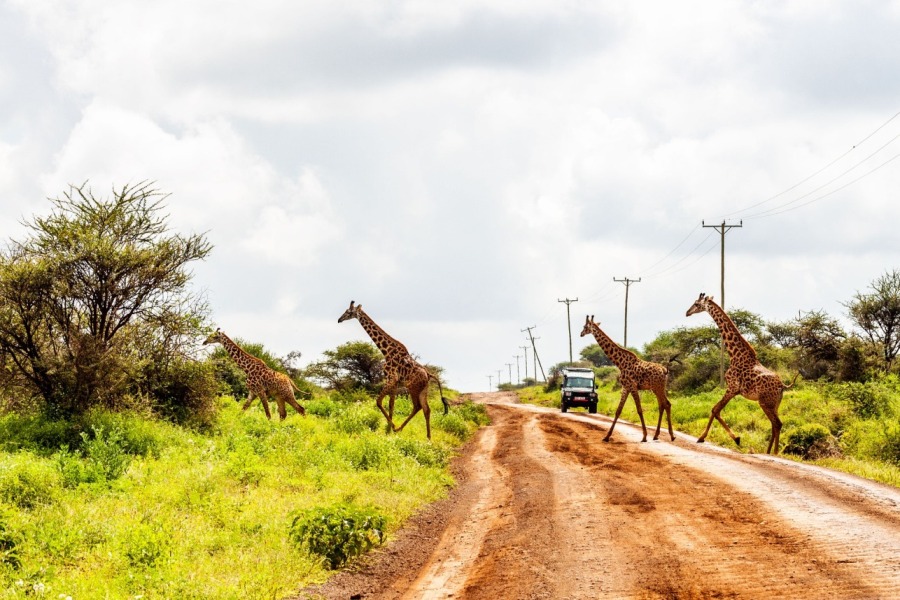
Why Is Amboseli Famous?
Elephants play a significant role in making visitors want to visit Amboseli at any cost.
The park has earned a good reputation for being home to many elephants with huge tusks that represent the character of the area.
Seeing the elephants roaming around the plains is an experience that cannot be compared to anything else.
Elephants can be seen grazing and drinking water around the swamps of Amboseli.
Being social creatures, one can notice how elephants belong to their family groups, how the calf attaches to adults, and how elder elephants control the herd.
It is important to keep your distance while watching elephants, but always listen to the recommendations provided by the safari guide.
Mount Kilimanjaro Attractions
One of the biggest attractions in Amboseli is Mount Kilimanjaro.
Although Kilimanjaro is found in Tanzania, many of the popular photos of the mountain are taken in Amboseli.
The mountain has a height of about 5,895 meters above sea level.
The classic photo shows either one elephant or elephants in front and Mount Kilimanjaro in the back.
There is one important thing one should remember when travelling: travelling to Kilimanjaro does not mean that you will see the mountain.
The peak of the mountain is often a mountain covered with clouds, especially in the late afternoon.
It is better to visit the mountain in the early morning hours.
The Famous Amboseli Elephants and various wildlife
Although elephants are the main attraction of the park, Amboseli is home to various types of wildlife.
Lions
Among other wild animals, lions can be found during your safari.
During the hot part of the day, lions can usually be seen resting under trees, while they are more active in the early morning and in the evening.
Cheetahs
Amboseli’s vast plains offer good opportunities for cheetah sightings.
One of the reasons that make the park an interesting place worth visiting is the fact that cheetahs can hunt on open land.
Giraffes
Giraffes are usually seen browsing in the trees and bushes.
Their height makes it easy to find them in the open land.
Buffalos
African buffalos can be found in various areas of the park, but particularly near the water sources and vegetation.
These animals are very powerful, so it is advisable to keep a distance from them.
Zebras and wildebeest
Zebras and wildebeest are common herbivores in the park, and seeing them in the background of Kilimanjaro makes the experience even more interesting.
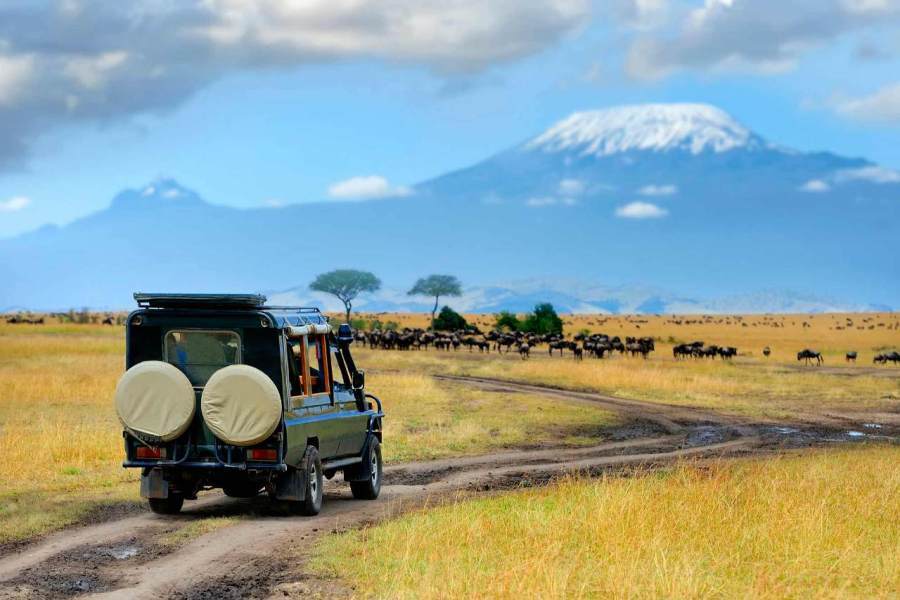
Mount Kilimanjaro Views and Amboseli’s Swamps and Wetlands
Amboseli National Park has many interesting features, one of which is its wetlands. Its name, derived from a Maasai word meaning “salty, dusty ground”, reflects certain elements of the dry environment. However, below the surface, there is plenty of water flowing in from the surrounding ecosystem of Mount Kilimanjaro.
The wetlands, which include places like Enkongo Narok and Longinye Swamp, serve as excellent water sources and feeding grounds for animals. The importance of wetlands becomes especially evident during dry periods. The swamps attract elephants, hippos, buffaloes, various birds, and other animals.
Another feature of Amboseli is the contrast between dry, dusty plains and wetland vegetation.
Birdwatching in Amboseli
Amboseli is also a great place for bird lovers.
The environment in the park, which comprises wetlands, grasslands, woodlands and plains, forms the ideal habitat for many bird species.
Birdwatching gives you the chance to see the following birds at certain times of the year:
- Flamingos
- Pelicans
- Egrets
- Herons
- Ostriches
- Eagles
- Secretary birds
- Kori bustards
- Kingfishers
- Weavers
- Hornbills
Bird-watching can easily be done alongside a regular game drive.
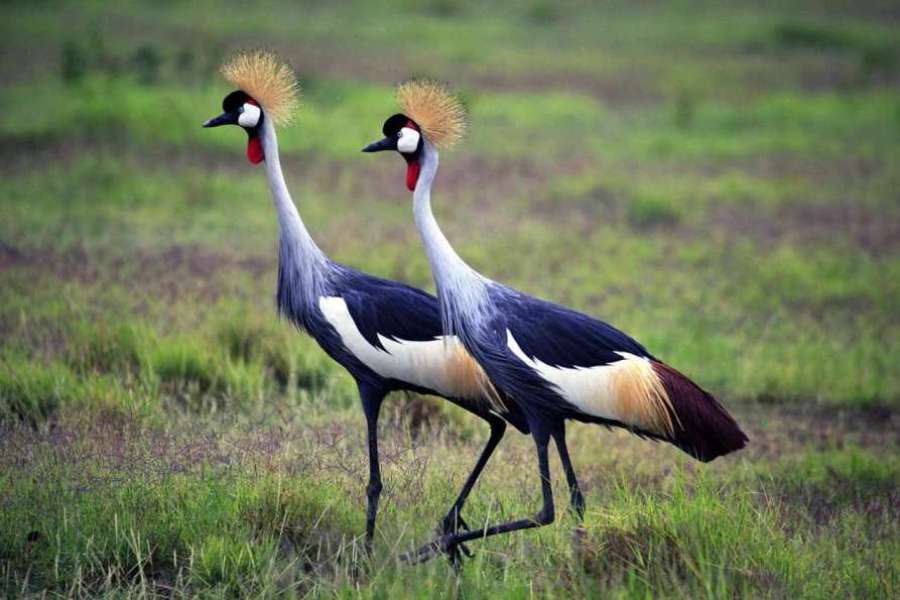
Amboseli for Wildlife Photography
Amboseli is considered one of the best wildlife photography places in Kenya.
This area has open terrain that is very favorable for taking pictures of wildlife, and Mount Kilimanjaro can provide wonderful images in the background.
Some of the best photography subjects here are:
- Elephants with Mount Kilimanjaro
- Giraffes with Kilimanjaro
- Zebras across the plains
- Lions at the break of dawn
- Birds in the wetlands
- Elephant silhouettes at dusk
- Herds walking through dusty areas
- Usually, dawn and dusk provide smooth light and pleasant temperatures.
- Using a telephoto lens is necessary for wildlife, while a wide-angle lens is needed for photos of the area.
Observation Hill.
The high location allows people to view the area from a broader angle and see exactly how the wetlands, plains, animal habitat, and faraway Mount Kilimanjaro link together.
Instead of looking at the landscape from inside a safari car, at Observation Hill one can see the area in a wider perspective.
It is also a great place to understand how large Amboseli is as an ecosystem.
Photographic conditions can be quite exciting around sunrise and sunset times.
Game Drives in Amboseli
The main method for exploring Amboseli National Park is through game drives. People enjoy morning drives because animals become more active due to the cooler weather. Moreover, early departure provides a good chance to see Mount Kilimanjaro sitting on the horizon before clouds start to cover its top.
Afternoon drives bring a different ambiance. At this time of the day, some wildlife are active as the temperature drops. A guide will assist in tracking animals, birds, and particular behaviors while exploring the many habitats in the park.
Cultural Experiences With the Maasai Community
Cultural Experiences With the Maasai Community: The Amboseli area is closely associated with the Maasai tribe. There are various tribes around the national park that follow pastoral traditions and have coexisted with wildlife for many years.
Responsible cultural tourism makes it possible for tourists to discover Maasai people’s traditions, habitats, dress code, music, handicrafts, cattle rearing, and relations between residents and wildlife. Visitors should always choose pre-organized cultural experiences so that communities can benefit from tourism.
Best Time to Visit Amboseli
Amboseli can be visited year-round.
Savanna/grassland regions are perfect for wildlife spotting at any time of the year because animals are likely to congregate around reliable water holes, and vegetation is quite thin, so animals can be easily seen.
Nevertheless, wet seasons have their own benefits.
The rain changes the environment completely by bringing new vegetation and adding stunning scenery.
Besides, bird-watching can be interesting during wet seasons.
However, if animals are not the main goal, the time of year should be taken into consideration carefully since cloudy weather can obscure Mount Kilimanjaro at any time during the year.
How Many Days Do You Need in Amboseli?
A stay of two nights could be a reasonable beginning for a first visit.
The trip could be arranged according to the following schedule:
- Day 1. Nairobi to Amboseli and afternoon game drive.
- Day 2. Morning game drive and then breakfast, leisure time or another activity followed by afternoon safari.
- Day 3. Morning safari which finishes with departure to Nairobi or your following destination.
Taking a trip lasting one night is a feasible possibility, especially for those who do not have much time on their hands; yet it limits the chances of experiencing what the park has to offer at different times of the day.
Staying for three nights or more enables one to enjoy a more gradual safari while also having more opportunities for wildlife viewing and taking pictures.
What to Pack for Amboseli
Packing right is critical for enjoying a safari.
Must-haves include:
- Light clothing
- Warm fleece jacket
- Comfortable shoes
- Hat with wide brim
- Sunglasses
- Sunscreen
- Insect repellent
- Binoculars
- Camera, additional batteries
- Chargers
- Water bottle
The dusty nature of the place makes it essential to be careful with electronic gadgets like cameras.
A light jacket can come in handy early morning when temperatures are usually cool.
Responsible Tourism in Amboseli
Tourism is a factor in the protection of wildlife and communities around Amboseli.
Travelers can help when it comes to responsible travel values by ensuring that they choose those safari operators that take into account socially responsible practices and are compliant with the laws of Africa when visiting game reserves, avoid littering, and keep away from animals while in safari vehicles.
It is important not to encourage wild animals to come closer to the vehicle nor to give them food.
Final Thoughts
Amboseli National Park promises the ultimate safari experience in Kenya.
The park is renowned for its extensive herds of elephants roaming across the savannah, plains, and wetlands, an endless variety of animals, opportunities to see the Maasai culture, and fantastic views of Kilimanjaro.
The most appealing aspect of Amboseli National Park is definitely the wonderful image of elephants traversing the plains with Kilimanjaro as the backdrop, although the park has much more to offer.
From early exploration through traditional Maasai villages to bird watching and breathtaking viewpoints, Amboseli offers all possible means to get to know the southern parts of Kenya.
Amboseli National Park is a place where wildlife comes together with landscapes and culture, as it provides an unforgettable safari experience for everyone wishing to go for a wild adventure in Kenya.

Introduction
You are going to Kenya.
Which means, somewhere between booking your safari and boarding that flight, you will probably ask yourself:
“Do I actually need safari clothes?”
Then comes the second question:
“What if I forgot something?”
Relax.
This practical Kenya safari packing list will walk you through everything you need to pack, what you can skip, and the few things you’ll be very happy to have with you in the African bush.
First Rule: Check Your Safari Luggage Allowance BEFORE Packing
If your safari includes small aircraft flights, luggage limits are usually much lower than international flights. Many airlines allow only 15 kg in a soft-sided bag.
Before packing, check:
What is my luggage allowance?
Is a soft-sided duffel required?
Does the weight include hand luggage?
Can excess luggage be stored in Nairobi?
Is laundry available at my camp?
Our Tip
Pack light from day one so you can travel stress-free.
If you’re travelling by road throughout, you generally have more flexibility. If your itinerary includes bush flights, pack light from day one. Laundry is often available at safari camps and lodges, which means you don’t need a fresh outfit for every day.
01 What to Wear on a Kenya Safari
Forget the idea that you need a completely new safari wardrobe. You don’t.
Your existing lightweight, comfortable clothes will probably work perfectly.
You probably need:
3–4 lightweight T-shirts or tops
2–3 long-sleeve shirts
2–3 lightweight trousers
1 fleece or warm jacket
1 light rain jacket
Comfortable sleepwear
Underwear and socks
Comfortable sandals/slip-ons
One slightly smarter outfit for dinner
Swimwear (if your lodge has a pool)
Why long sleeves?
Because they are useful for more than mosquitoes. They protect your arms from the sun, dust and occasional scratches if you’re walking through bush areas. Lightweight, breathable fabrics are ideal.
And remember: safari mornings can be surprisingly cold before the sun comes up, while afternoons can become properly warm.
Layers are your best friend:
T-shirt → long sleeve → fleece/light jacket.
By 11 a.m., you may be carrying the jacket. By sunset, you’ll be wearing it again.
What Colours Should You Wear on Safari?
Here’s where safari packing advice gets unnecessarily dramatic.
You don’t need to dress head-to-toe like a wildlife documentary presenter.
But neutral, earthy colours are practical.
Suggested colours include:
Khaki
Beige
Olive
Brown
Tan
Grey
These colours blend with the environment, don’t attract unwanted attention from animals and insects, and show dirt less easily.
Most importantly: Wear clothes you can sit in comfortably for several hours. Because that’s what safari is really about.
02 What Shoes Should You Pack for a Kenya Safari?
This is another area where first-time travellers tend to overpack.
You probably need:
Comfortable walking shoes
Trainers or trail shoes
Sandals/slip-ons for camp
You probably DON’T need:
Heavy hiking boots
Multiple pairs of shoes
Brand-new shoes you haven’t broken in
One golden rule:
Never bring shoes you haven’t worn before.
Blisters have no place on a safari.
Sun Protection: Pack It. Seriously.
The African sun doesn’t negotiate.
Put these straight into your bag:
Wide-brimmed hat or cap
Sunglasses
High-SPF sunscreen
Lip balm with SPF
Lightweight scarf/cover
Reusable water bottle
A hat with a secure fit is particularly useful in an open safari vehicle when the wind picks up.
And sunscreen isn’t something you apply once at breakfast and forget about. You’ll be outdoors for hours.
03 Binoculars & Camera Gear
Don’t Leave Home Without Them
You have a zoom lens. Your phone has a zoom.
You still want binoculars.
Why?
Because sometimes the best wildlife isn’t sitting five metres from your vehicle.
It might be a leopard resting in a tree, a distant herd crossing the plains, an eagle circling above you, or a tiny bird perched somewhere your camera can’t frame.
A pair of 8x or 10x binoculars can transform a game drive.
For photographers, pack:
Camera
Telephoto/zoom lens
Extra memory cards
Extra batteries
Battery charger
Lens-cleaning cloth
Power bank
Spare phone storage/cloud backup
Keep your camera accessible.
The leopard is not going to wait while you unpack it from the bottom of your bag.
Other Essentials You Shouldn’t Forget
Don’t overthink it. Carry the personal essentials you actually use. Your personal medication should always be in your hand luggage.
The visible checklist includes:
Insect repellent
Hand sanitizer
Personal toiletries
Motion sickness medication
Basic first-aid supplies
Any regular medication
Rehydration salts
Other sections shown in the article’s “On This Page”
The full article appears to continue with:
Luggage Allowance
What to Wear
Shoes for Safari
Sun Protection
Binoculars & Camera Gear
Health & Essentials
Tech & Power
Documents & Money
Daypack Essentials
What NOT to Pack
Pack by Season
Ultimate Packing Checklist
06 Documents & Money
Keep your important documents together and easily accessible.
☐ Passport
☐ Approved Visa or eTA
☐ Flight tickets
☐ Safari itinerary
☐ Travel insurance details
☐ Hotel/camp confirmations
☐ Emergency contact numbers
☐ Copies of important documents
Keep digital copies on your phone, ideally another secure backup.
Carry some cash. Small denominations are particularly useful for tips, small purchases and local markets.
Tip: Carrying small notes is convenient, but don’t assume every place in the bush will have reliable card connectivity.
07 What Should Be in Your Daypack?
Your main luggage can stay at camp.
Your daypack stays with you.
☑ Camera
☐ Binoculars
☑ Water bottle
☑ Sunscreen
☐ Sunglasses
☑ Hat
☑ Light jacket
☐ Phone
☐ Power bank
Keep it compact.
A safari vehicle is not the place to discover that you’ve brought a 15-pocket backpack containing everything you’ve owned since 2019.
08 What NOT to Pack for a Kenya Safari
Sometimes the best packing advice is what to leave behind.
❌ Heavy suitcases (if on bush flights)
❌ Too many shoes
❌ A completely new safari wardrobe
❌ Expensive jewellery
❌ Expensive accessories
❌ Too many toiletries
❌ Clothes for every weather scenario
❌ Bulky hair tools unless necessary
❌ A different outfit for every photo
09 Pack According to Your Safari Season
Your Kenya safari packing list should also reflect when you’re travelling.
June – October
Cooler mornings & evenings can make a fleece or warm layer very useful, especially on early game drives.
November – December
Short rains can mean greener landscapes and occasional showers. A lightweight rain jacket is useful.
January – February
Generally warm conditions mean lightweight breathable clothing becomes even more important, while mornings can still be cool.
March – May
The long-rain period can bring wetter conditions. Waterproof protection and quick-drying clothing become more useful.
One Last Thing: Don’t Overthink It
Your first Kenya safari can make you feel like you need to prepare for every possible situation.
You don’t.
✓ Pack light.
✓ Dress comfortably.
✓ Bring binoculars.
✓ Protect yourself from the sun.
✓ Keep your documents and medication close.
✓ Leave a little space in your bag—and in your expectations—for the unexpected.
Because eventually, you’ll stop worrying about whether you packed the right shirt.
You’ll be sitting in a Land Cruiser.
The sun will be coming up over the Mara.
Your guide will suddenly slow down.
Everyone will go quiet.
And someone will whisper:
“Lion.”
That’s the moment you came for.
Karibu Kenya.
10 The Ultimate Kenya Safari Packing Checklist
Before you zip that bag shut, screenshot this.
CLOTHING
☐ Lightweight tops
☐ Long-sleeve shirts
☐ Lightweight trousers
☐ Fleece/light jacket
☐ Rain jacket
☐ Sleepwear
☐ Underwear & socks
☐ Sandals
☐ Swimwear
SUN & COMFORT
☐ Hat
☐ Sunglasses
☐ Sunscreen
☐ Lip balm
☐ Scarf/??
☐ Water bottle
SAFARI GEAR
☐ Binoculars
☐ Camera
☐ Zoom lens
☐ Extra batteries
☐ Memory cards
☐ Lens cloth
HEALTH
☐ Prescription medicines
☐ First-aid essentials
☐ Insect repellent
☐ Hand sanitizer
☐ Rehydration salts
TECHNOLOGY
☐ Phone
☐ Chargers
☐ Power bank
☐ Travel adapter
☐ Headphones
DOCUMENTS & MONEY
☐ Passport
☐ Kenya eTA
☐ Travel insurance
☐ Itinerary
☐ Cash
☐ Cards
☐ Copies (ID/insurance/other documents)
Footer CTA
Planning your first Kenya safari? Talk to Nature Insight Safaris about building an itinerary around your travel dates, preferred parks, budget and the kind of safari experience you actually want.
We’re here to help!
CONTACT OUR EXPERTS
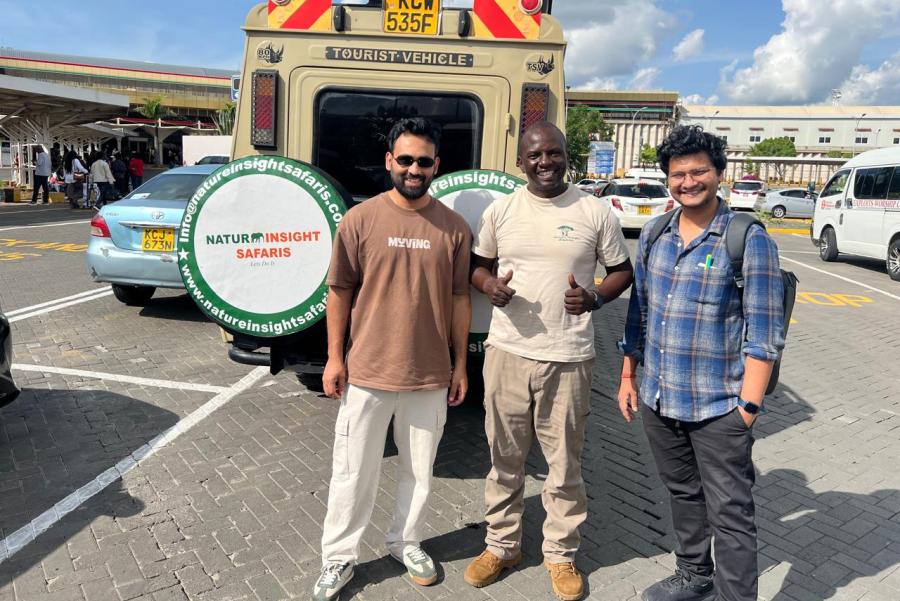
The Maasai Mara National Reserve is regarded as one of the most popular places for safaris anywhere in the world. It is located in southwestern Kenya and is part of the large Mara-Serengeti ecosystem, which provides some of the richest wildlife experiences in the whole of Africa.
There are large expanses of open grassland, amazing wildlife viewing, and a rich cultural experience; the Maasai Mara has everything you could ever wish for when looking to do a safari.
If you’re wondering if the Maasai Mara National Reserve is worth visiting, here are 7 strong reasons to add it to your bucket list!
-
Exceptional Big Five Wildlife Viewing
There are many reasons to visit the Maasai Mara, but one major reason is to see the African Big Five (lion, leopard, elephant, buffalo, and rhino).
Due to the high density of animals in this reserve, it is a lot easier than most other areas to spot animals in the Maasai Mara. For example, lions are very common in this area; it is not uncommon to see an entire pride lying underneath an acacia tree and resting in the shade.
Elephants can be found moving in large family units across the plains, while buffalo are commonly seen grazing in large herds. Leopards are known to be more elusive but can frequently be found in the vicinity of rivers.
The Maasai Mara has some of the best wildlife viewing opportunities in the world for first-time and experienced travelers to Africa alike!
-
The Great Wildebeest Migration
One of the largest natural events on this planet takes place within the Maasai Mara — i.e., The Great Migration of wildebeests (and others) migrate from Serengeti National Park (Tanzania) to Maasai Mara (Kenya) every year in search of food.
The migration peaks from July – to October, and the most dramatic time to see animals crossing the Mara River — often with fast-moving waters and crocodiles below — is at this time. This natural, breathtaking phenomenon will likely be remembered as one of the most incredible wildlife experiences you will have on this planet.
-
Endless Scenic Landscapes
The Maasai Mara features breathtaking and picturesque scenery. It is characterized by open grasslands dotted with acacia trees, rolling hills, and the winding Mara River – an ideal environment for a classic African safari.
The sunrises/sunsets at the Maasai Mara are also some of the most stunning things to see, as they generate a variety of colours in the sky (orange/red/yellow), making them great times and places to be able to capture some scenic photos.
The scenery alone makes it worthwhile to visit the Maasai Mara, whether you’re on an off-road safari or just enjoying your campsite.
-
Rich Cultural Experiences
Named after a tribe of people living in Kenya, the Maasai Mara is one of the most recognized indigenous groups in Kenya.
Visitors can explore local Maasai villages and learn about traditional Maasai culture, including visiting their homes and witnessing traditional dance performances. Visitors will also have opportunities to gain insight into how the Maasai fit into their environment and co-exist with wildlife.
These cultural experiences not only enhance your safari but also provide connections between conservation and culture within this region.

-
Variety of Safari Experiences
Your visit to the Maasai Mara can be much more than just a traditional game drive.
The Maasai Mara is an ideal location for many other safari adventures, including:
- Morning and evening game drives
- Hot air balloon safaris over the open plains
- Guided nature walks through the conservancies
- Nighttime game drives (within private conservancies)
One of the most memorable safari activities is hot air ballooning over the savannah at sunrise, watching the animals below. This experience gives you a different vantage point over the vast expanse of land known as the plains.
With all these options, every day in the Maasai Mara will feel new and exciting!
-
High Chances of Wildlife Sightings
The Maasai Mara is a great destination for its unchanging wildlife.
The wide open spaces provide an excellent opportunity to see the different types of wildlife, and the large volume of wildlife means you will see many different species while on each safari.
The Game Reserve has great game viewing opportunities even when the animals are not migrating, and therefore is a great place to visit all year round.
For anyone who is looking for a rewarding safari, a visit to the Maasai Mara will provide this.
-
Easy Access and Flexible Travel Options
Nairobi has easy access to the Maasai Mara.
There are two main ways to get to the Maasai Mara. You can either drive, which takes about five to six hours, or you can fly from Nairobi to the Maasai Mara in approximately 45 minutes by domestic flight.
There are many lodging accommodations in the Maasai Mara, including tented camps and luxury lodges, so you’ll be able to find what you want when looking for accommodations.
Because of the accessibility and wide range of accommodation options, the Maasai Mara is an ideal destination for short getaways as well as extended safari vacations.
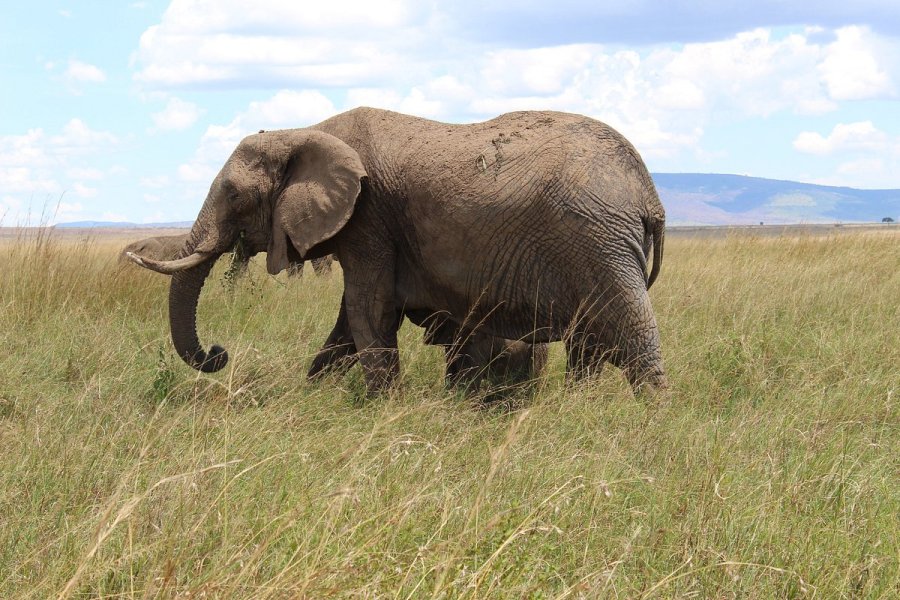
Best Time to Visit Maasai Mara National Reserve
In general, the Maasai Mara National Reserve can be visited at any time of the year; however, when you visit will affect your overall experience.
Typically, the dry season is June through October and is the most popular time to go because of easier wildlife viewing during this time, plus it also coincides with the Great Migration (when hundreds of thousands of wildebeests and zebras migrate from the Serengeti to this reserve).
Similarly, January and February have dry conditions that will result in numerous predators being seen, making it a great time to go on safari.
The green season is from March through May when the landscape is lush and full of people; however, this may appeal to some who want a quieter experience on safari or want to take pictures without having so many others around.
Accommodation Options in Maasai Mara
The Maasai Mara National Reserve in Kenya boasts an extensive variety of captivating accommodations that cater to all types of travelers.
There are many types of accommodations available at Maasai Mara, including:
- Luxury safari lodges that provide breathtaking vistas,
- Mid-range tented accommodations for comfortable camping trips,
- Budget-friendly campground facilities,
- Private conservancies provide a unique level of disconnection from crowds.
Most camps are located near animal migration trails and rivers, enabling visitors to see wildlife from their lodging.
Several lodges provide additional activities such as bush dinners in wildlife viewing areas, cultural experiences (e.g., show-making and deep tradition), and guided nature hikes.
How to Get to Maasai Mara
Tourists can get to the Maasai Mara National Reserve through road or air.
By Road
Driving from Nairobi to the Maasai Mara takes about 5-6 hours, depending on how you choose to get there and the condition of the roads. The drive offers beautiful scenery of the Great Rift Valley and rural Kenya.
By Air
Many domestic airlines provide flights from Nairobi to various airstrips throughout the Maasai Mara on a daily basis. These flights typically take around 45 minutes, so they are a quick and convenient option for travelers who are short on time.
Regardless of the method you choose, you will have easy access to one of Africa’s most renowned safari destinations!

Final Thoughts
The Maasai Mara National Reserve is one of Africa’s top safari destinations.
With its diverse wildlife, stunning scenery, abundant outdoor activities, and opportunities to interact with local tribes, you’ll never get bored while on safari.
No matter if this is your first or fiftieth trip to Kenya, you will make lasting memories in every corner of the Maasai Mara.
If you’re searching for truly authentic African experiences, you need to come to the Maasai Mara.

There are plenty of things to experience in Nairobi. This amazing city offers a combination of vibrant culture, abundant wildlife, and memories made here will be unforgettable.
No other city has what we call a “unique destination” (the ability to go from urban to wildlife/nature within minutes), making it a great place to visit.
You might find that many of the visitors to Nairobi use it as a jumping-off point to begin their safari; however, Nairobi is also home to many opportunities to enjoy historical sites, outdoor activities, and cultural interactions both in and around the city.
Here are 10 things you should do if you plan on visiting Nairobi.
-
Visit Nairobi National Park – A Safari Within the City
Nairobi National Park is so different from other national parks – there are no other parks like it!
Nairobi National Park is located close to downtown Nairobi and provides you with the opportunity to experience a true African safari – lions, rhinos, buffalo, giraffe, zebra, and numerous types of birds.
Your best chance to spot game is when you go on a game drive in the early morning. This is when the animals are the most active and will provide the best light for your photos. You will be able to see animals in their natural environment with the Nairobi skyline in the background.
If you are only in Nairobi for a short time, this is an excellent way to get a glimpse of the wildlife of Kenya in one day.

-
Feed Giraffes at the Giraffe Centre
At the Giraffe Center in Nairobi, you can have an extraordinary and hands-on wildlife experience. Here, you will be able to have a close encounter with a Rothschild’s Giraffe (an endangered species of giraffe), with the chance to feed the giraffes directly from a raised platform.

No matter if you are a family or couple visiting, you will create beautiful memories of this amazing experience and gain insight into why it is imperative to protect and conserve all giraffes (including other species) and their habitat.
-
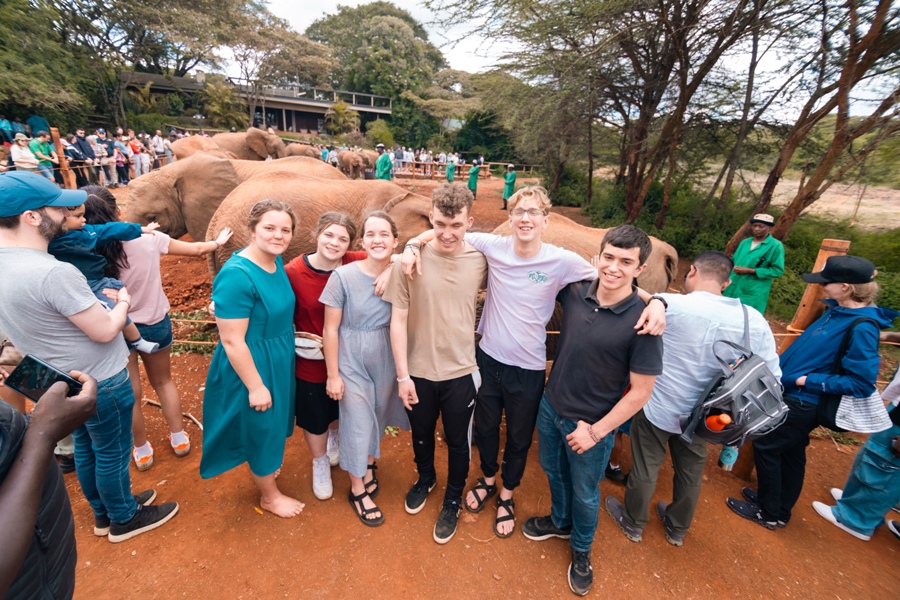
Visit Orphaned Elephants at David Sheldrick Wildlife Trust
Visiting the David Sheldrick Wildlife Trust in Nairobi will make you cry with joy and inspire you as well. The trust provides a safe environment for baby elephants orphaned by poaching and other natural disasters until they are ready to return to the wild.
The sights and sounds of the baby elephants being fed or just having fun in the mud will tug at your heartstrings. Each orphaned baby elephant has its own unique story, adding to the overall experience. If you are an animal lover or interested in conservation, this is a must-see!

-
Explore Karen Blixen Museum – History and Heritage
The author, Karen Blixen, was an excellent author who produced many works. One of her most famous books is titled Out of Africa where she expresses what she experienced while living in Kenya.
The Karen Blixen Museum is now located within her home. By visiting the museum, you will be able to do a guided tour through the house’s colonial past and also explore how Karen’s life has affected society both positively (her career) and negatively (her life).
The museum also includes access to the garden areas for those who would like to take a walk around the beautiful gardens adjacent to the museum. There is something for anyone who chooses to spend time visiting or reading about the museum; whether you are a historian or enjoy a story, there is something here for everyone!
-
Experience Culture at Bomas of Kenya
Although there are several ways to experience Kenya’s diversity of culture, the Bomas of Kenya is one location where you can experience much of the cultural diversity of Kenya all in one place.
As you walk through the Bomas, there will be many representations of traditional homes of many different communities from all over Kenya. You will see how communities live in different areas of Kenya as you go from one house to the next.
Perhaps the best thing to see and do at the Bomas of Kenya would be to watch a variety of traditional dances, which include music and storytelling combined with a variety of lively dancing from many different communities.
If you want to learn what it is like to live in all of Kenya (not just to see wildlife), visit the Bomas of Kenya.
-
Hike the Ngong Hills – Scenic Views and Fresh Air
For all outdoor enthusiasts out there, the Ngong Hills are an ideal vacation spot.
Located just a short distance from Nairobi, the hills feature rolling terrain and stunning views over the Great Rift Valley.
Exploring the various routes of the hills offers stunning landscapes, brisk winds, and impressively scenic vistas. For tourists seeking a respite from the tumultuous environment of urban areas, the Ngong Hills are a terrific place to escape.
Numerous individuals decide to visit the Ngong Hills at either sunrise or sunset as well.
-
Relax at Karura Forest – Nature in the City
Karura Forest is one of the best green areas in Nairobi.
There are many ways to enjoy the forest: walking trails, bike paths, waterfalls, and picnic spots all make it a great place to unwind, get fit, or just be in nature.
There are several caves to explore, birds to see, and a peaceful setting to escape the commotion of the city.
This makes Karura Forest a great place for a morning walk or for some quiet time in the afternoon.
-
Visit Kiambethu Tea Farm – Tea and Tranquility
Located just north of Nairobi, Kiambethu Tea Farm offers a perfect break from the crowded city and allows you to experience the tranquil beauty of country living.
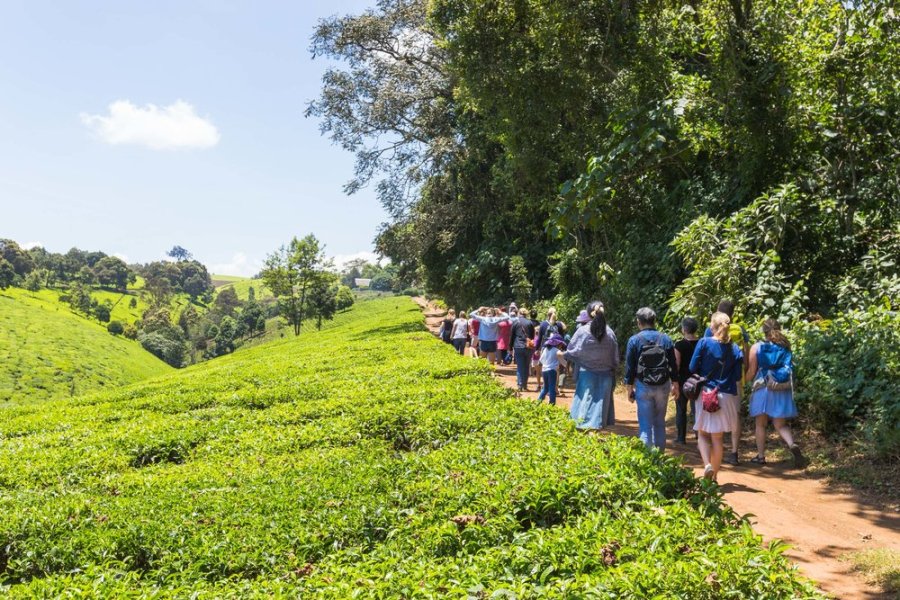
It is one of the oldest tea estates in Kenya and gives you a chance to see firsthand the complete stages of growing, harvesting, and processing tea. You will be able to meander around the tea fields, inhale the fresh air, and appreciate the stunning landscape. Usually included in this day experience is a lunch cooked onsite, followed by a tea tasting meal.
If you are looking for a refreshing and relaxing getaway from Nairobi, this is a great option!
-
Discover Nairobi National Museum – Art, Culture, and History
Visitors can learn more about Kenya’s past, present, and future, culture, and natural environment in the Nairobi National Museum. The Museum exhibits display our early human ancestors, as well as the many animals that inhabit Kenya.
It also displays artistic works in the form of fine art (paintings and sculptures) from Kenya, and a representation of what it is like to live in the local community adjacent to the Museum.
In addition, behind the Museum are botanical gardens and natural areas that allow you to experience an enjoyable escape after visiting the Museum.
-
Shop and Experience Local Life at Maasai Market
Maasai Market offers an energetic environment for its visitors. It is a wonderful place to learn about and purchase local artisans’ works or items specific to this region.
At Maasai Market, there are so many different items available to purchase, including handcrafted necklaces and earrings, handcrafted goods, clothes, art, and other unique materials.
There is a great selection to choose from. Besides offering many choices for absolutely beautiful gifts, shopping at Maasai also allows you to purchase something delicious and to help local artists who may not have access to other sources for selling their artwork.
Bargaining is a standard part of the experience at the Maasai Market, so plan to negotiate your prices!
How to Plan Your Nairobi Day Trips
You will find lots of Nairobi attractions located very close to each other. As such, you could easily combine several activities over a single day.
A common full-day itinerary might involve:
- A morning game drive in Nairobi National Park
- A visit to the David Sheldrick Wildlife Trust
- A stop at the Giraffe Centre
Alternatively, a second day could include:
- The Karen Blixen Museum
- The Bomas of Kenya
- An evening visit to the Maasai Market
If you want something more laidback, look into visiting either Kiambethu Tea Farm or Karura Forest.
Best Time to Visit Nairobi
Nairobi has plenty of opportunities to explore at any time of the year.
The best months for outdoor activities or seeing animals are the dry seasons, which run from June to October and January to February.
Even in the rainy season, however, the major tourist attractions will still be available to be enjoyed.
Final Thoughts
Nairobi should not be a one-time stop on your itinerary. There are so many different experiences to have both inside the City of Nairobi and also just outside the City of Nairobi (but still located in Nairobi County). Some of the experiences you can participate in include animal viewing, cultural events, visiting historical sites or museums, and experiencing the outdoors.
Within Nairobi, you can see lions at Nairobi National Park. You can feed the world’s tallest land mammals (the giraffe). You can also enjoy tea in the Kenyan countryside. There are also numerous other activities you can participate in to make your vacation memorable.
When you take time to discover Nairobi, you will discover an incredible city with countless unforgettable experiences!
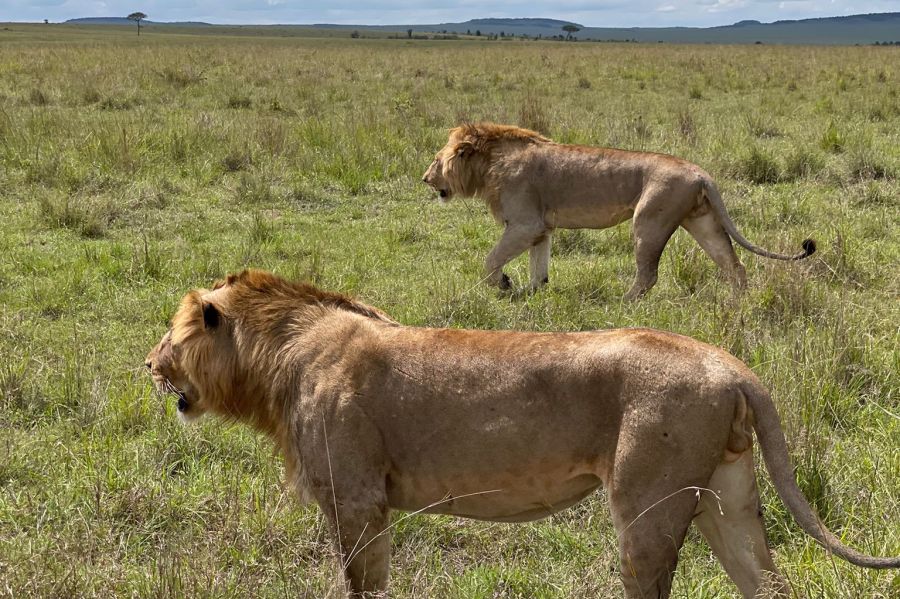
The Maasai Mara National Reserve is one of Africa’s premier safari destinations, with fantastic wildlife, vast open savannahs, and memorable game drives year-round.
When deciding when to visit the Maasai Mara, it really depends on the type of safari you would like. Some months are better than others regarding spectacular wildlife activity, but other times will have fewer people visiting and lovely scenery.
This guide will provide detailed information to help you select the ideal time for your safari experience.
Understanding the Seasons in Maasai Mara
The Maasai Mara has two main seasons, which include the dry (December to February) and wet (March through November).
Wildlife viewing and wildlife watching are particularly good in the dry season; however, the rainy season provides some excellent scenery along with fewer people on the safari.
A trip to Maasai Mara can be an enjoyable experience regardless of the time travelled, in other words, and therefore an excellent place to visit when considering a safari.
-
June to October – Best Overall Safari Experience
The Maasai Mara is regarded as one of the top places globally to visit during this specific period.
Why this period is ideal:
- The weather is dry, and the access roads are open.
- The grasses are short; this makes it easier for clients to view wildlife.
- Large amounts of wildlife congregate near water sources.
- The likelihood of observing predators is notably high.
July to October – Great Wildebeest Migration
Peak safari time for this month.
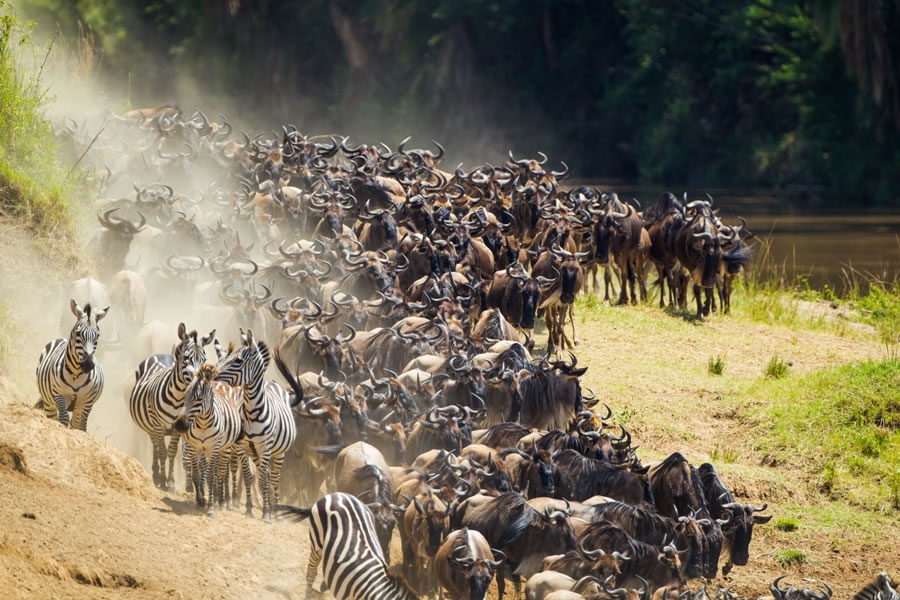
The immense herds of wildebeests, zebras, and gazelles migrate from the Serengeti in Tanzania to the Maasai Mara. Watching the Mara River Crossing, along with the wild animals attempting to cross the Mara River amid strong currents and crocs, will be an experience to remember.
Clients can expect:
- Dramatic wildlife encounters
- Increased time observing predators
- Animals are found in immense herds on the plains of the Maasai Mara
If you want the quintessential safari experience, July through October is the best time of the year to visit!
-
January to February – Best for Predator Sightings
It is another great time for a visit.
Reasons why:
- It is dry/hot
- There are clear skies (ideal for photo opportunities)
- It is easy to spot animals
This is also when many animals are calving, so with so many young animals around, there will be more opportunity to observe predators hunting.
Best for those looking for exciting wildlife activity, but not many others around.
-
March to May – Green Season (Low Season)
The rainy season in the Maasai Mara is during the months of April and May.
What to Expect:
- Green foliage
- Less crowded than at other times of the year
- Less expensive safari trips
However:
- Animals are dispersed over a larger area
- Some roads may be wet and muddy
Best For:
- Photo opportunities
- People who want a quiet safari
- People who want to save money while traveling
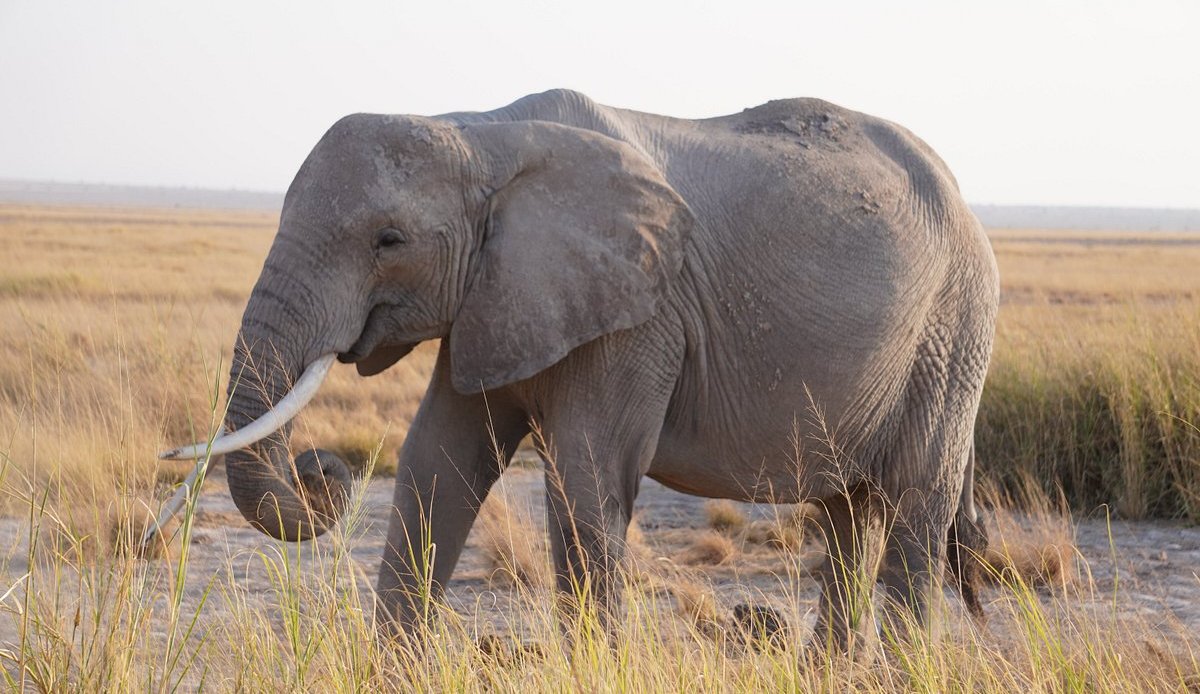
-
November to December – Short Rains & Balanced Experience
At this time of year, it is easy to see how this is an in-between time.
Some reasons to consider this time of year:
- Fewer people than in peak season
- Beautiful green scenery
- Good viewing for wildlife
Many migratory birds are also in the area at this time!
A great time to have a mixture of good weather and fewer tourists.
Best Time Based on Your Travel Goals
- Great Migration- July to October
- Predator Activity- January to February
- Less Crowded and Reasonably Priced- March to May
- Photography & Lush Landscape- November & April
Best Time to Visit Maasai Mara for the Great Migration
To experience the Great Wildebeest Migration at Maasai Mara National Reserve, visit during July-October to see millions of wildebeest, zebra, and gazelles crossing over from Tanzania’s Serengeti into the reserve to find new feeding grounds.
The Mara River crossings, for example, typically occur during this timeframe, drawing in both crocodiles and predators like lions and hyenas. Therefore, this period is also the busiest time to go on safari, as safari-goers from all over the world come to see one of nature’s greatest sights on safari.
Best Time for Wildlife Photography in Maasai Mara
Wildlife photography is at its best during the dry seasons of June to October or January to February.
The following will help make your photographs optimal:
- Vegetation will be shorter
- Animals will congregate near water bodies
- Roads will be accessible
- Light will be pure and clear
Early morning and sunset yield amazing golden light, and the Maasai Mara is one of the top destinations in Africa for safari photography.
Best Time to Visit Maasai Mara for Fewer Crowds
If you’re looking for a quieter way to experience your safari, consider visiting during the green season (March to May) or November.
The reserve will still have occasional rainy weather, but will be lush and beautiful. There will also be fewer visitors in lodges; the lower number of visitors will allow lodges to reduce their prices.
This is an excellent time for those who enjoy peaceful game drives, bird watching, and stunning scenery without the large number of tourists.
Best Time for Birdwatching in Maasai Mara
With many different types of birds from around the world, the Maasai Mara National Reserve in Kenya is an excellent place for birding any time of year; however, it is best to go between November and April.
During this period, large numbers of migratory birds will arrive from Europe and other areas of Africa, increasing the diversity of bird species found in the park. The park will also appear greener, and the rivers will have more water, which leads to greater activity among birds.
Possible birds to see include:
- Secretary Bird
- Lilac Breasted Rollers
- Crowned Crane
- Ostrich
- Eagles/Vultures
For photographers and other nature lovers, this is a great time to take pictures of colourful birds in stunning settings.
Best Time for a Family Safari in Maasai Mara
The Maasai Mara National Reserve is a popular safari destination for families who tend to choose to go during the dry months of June through October, or when their children are out of school.
When visiting the reserve during these times:
- Wildlife can be seen more easily
- The weather is more pleasant
- The road conditions will be better
- You can enjoy the outdoors more
Most safari lodges also provide families with family-oriented lodging and activities for children. During this period, you will have a greater chance of seeing spectacular wildlife because of the large number of animals gathering close to the water holes.
Weather Overview in Maasai Mara
Daytime Temperature Below to Above 30C (20 – 30C)
Morning & Nights are Cool; Dry Season
Rainy Season: March – May and November.
The climate is normal throughout the year.
When Should You Go?
The Maasai Mara is an incredible destination at any time of year.
If you want drama and excitement, then visit during animal migration.
If you prefer tranquility and beauty, then consider a trip during the green/vegetation growing season.
If you’re looking for balanced wildlife viewing, choose January or February.
Final Thoughts
Whichever time you choose to go, your experience will be amazing. The Maasai Mara has thrilling river crossings and hunts for predators (animals on the hunt), plus there are beautiful green landscapes and lots of space to relax.
Whatever time you choose to visit the Maasai Mara for your safari, you will find unforgettable encounters with wildlife, amazing scenery, and put into your memory forever.