
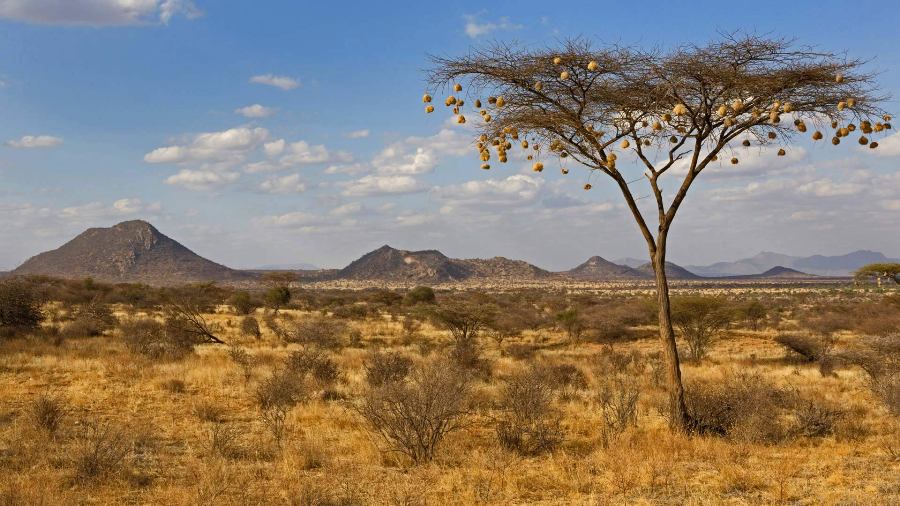
Samburu National Reserve is one of Kenya’s distinctive safari destinations, offering experiences unlike the Maasai Mara, which has become a household name. Located on the banks of the Ewaso Ng’iro River in northern Kenya, the reserve offers awe-inspiring scenery, unique wildlife, rich cultural experiences, and excellent game viewing.
The reserve is popular because of the “Samburu Special Five,” which are the five animal species that are known to be found in the area and are hard to find anywhere else in other popular safari destinations in southern Kenya.
From the gerenuk to the reticulated giraffe and Grevy’s zebra, to mention a few, wildlife experiences are truly unique.
Where Is Samburu National Reserve?
Samburu National Reserve lies in northern Kenya in the Samburu Region, about 350 kilometers from Nairobi via road.
In the Samburu ecosystem are other immense nature reserves like Buffalo Springs and Shaba.
The reserve lies along the Ewaso Ng’iro River, whose permanent waters attract wildlife all year round.
The landscape of the area contains hills, flat plains, acacia vegetation, forests along the rivers, and mountain ranges at a distance.
That is why the landscape of Samburu is much different from the widely known open savannah associated with safaris in Kenya.
What Makes Samburu Special?
Samburu is unique in terms of its mixture of wildlife, landscapes, and the culture of northern Kenya.
One of its most important features is its ability to host animals that live in the dry northern environment.
The most popular fauna here includes:
- Reticulated giraffes
- Grevy’s zebras
- Gerenuks
- Beisa oryx
- Somali ostriches
- Elephants
- Lions
- Leopards
- Cheetahs
- African wild dogs
- Crocodiles and hippopotamuses found along the river.
Visitors are offered a chance to interact with the Samburu people and obtain knowledge about how they relate to the environment.
Discover the Samburu Special Five
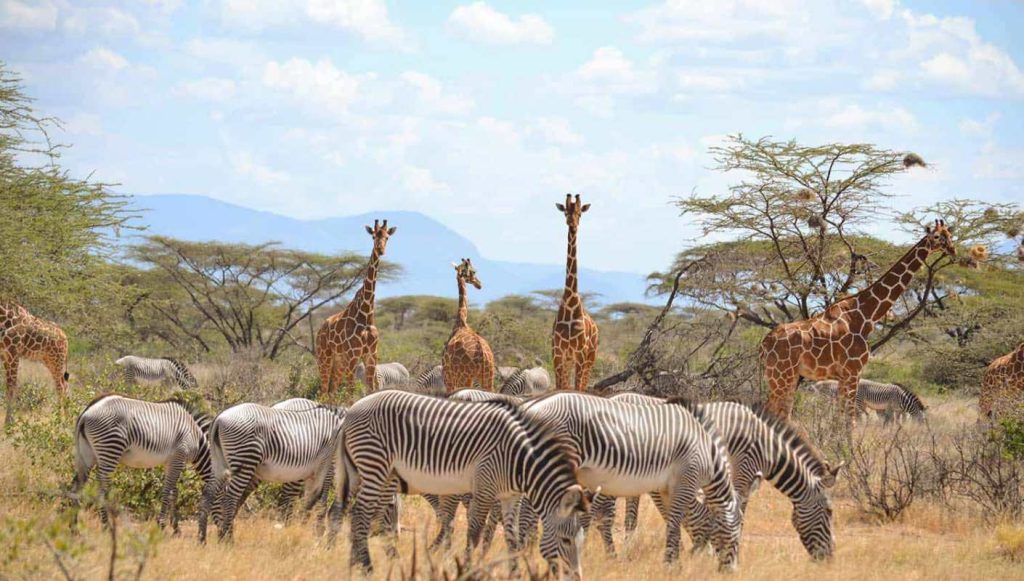
The five unique species of Samburu explain why the herds of tourists flock to the region in Kenya.
They are the:
- Grevy’s zebra
- Reticulated giraffe
- Gerenuk
- Beisa oryx
- Somali ostrich
All these animals have special adaptations that help them survive in the arid regions of northern Kenya.
This unique experience will not leave visitors the same after seeing these animals in the wild during their trips to Kenya that already included visits to such places as Maasai Mara or Amboseli.
Grevy’s Zebra
Grevy’s zebra is a bigger zebra; it has narrower stripes in a larger number.
It is also more closely associated with northern Kenya and Ethiopia.
Unlike the common zebra, Grevy’s zebra has large ears that are rounded at the top, and the belly is white.
Therefore, conservation is important for the species because it has suffered a lot in recent years.
Reticulated Giraffe
The reticulated giraffe has an interesting and well-done geometric pattern.
The coat has large reddish-brown spots on the surface that are clearly marked, thus giving the giraffe a remarkable appearance.
Samburu is one destination where tourists can see the reticulated giraffe.
Gerenuk
This animal may be considered one of the most distinctive animals from the Samburu Special Five. Also known by the name that translates to “the giraffe-necked antelope”, gerenuks are recognisable due to their lanky necks and thin legs. They exhibit an interesting behaviour of standing up on their hind legs in order to be able to reach vegetation which is otherwise too high up in trees.
Many antelopes acquire moisture through drinking, but these antelopes get moisture through their food too, thus allowing them to thrive in dry habitats.
Beisa Oryx
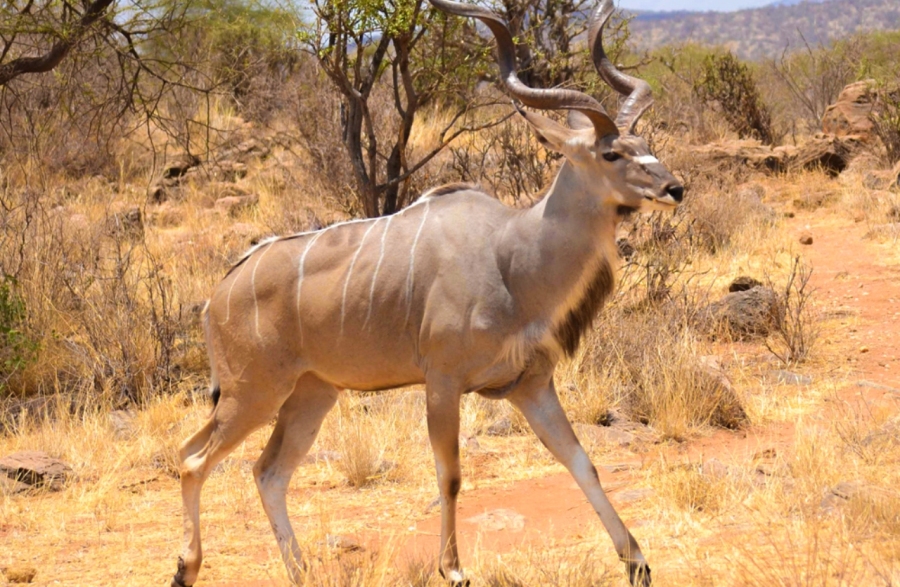
This species is a mighty antelope inhabiting dry places. The antelope has beautiful straight horns and interesting black facial and body markings. Oryxes are commonly spotted walking on the open plains, sometimes in small groups.
Somali Ostrich
The Somali ostrich is a blue-grey bird with distinctive neck and legs, which makes the bird another animal linked with northern Kenya.
Elephants Along the Ewaso Ng’iro River
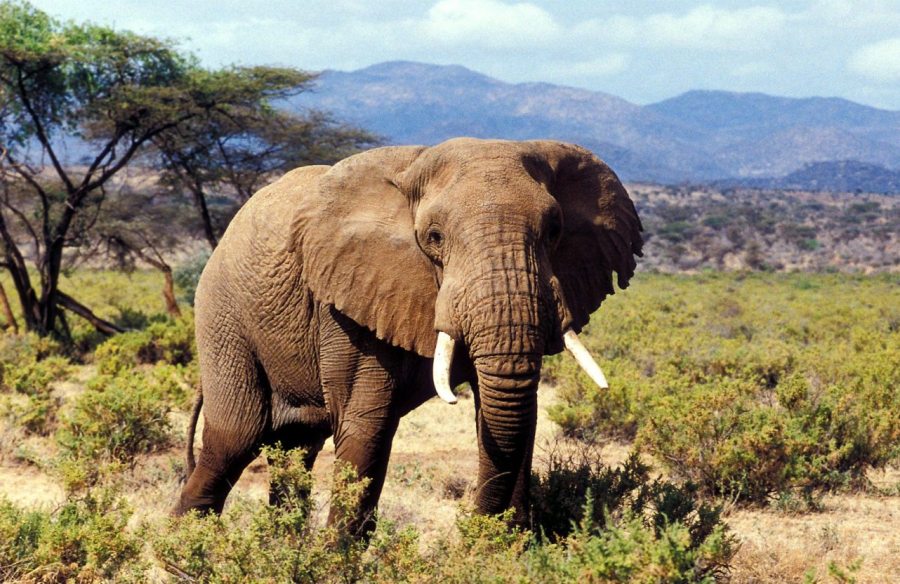
Elephants are one of the animals that leave a lasting impression in Samburu.
Ewaso Ng’iro River acts as a crucial water source, especially during the dry season.
The elephants can often be seen making their way through the river to drink water or reach the surrounding vegetation.
Watching elephants in Samburu’s beautiful landscape can also provide promising opportunities for taking photos.
The river is also home to other wildlife, making it one of the best places for game viewing.
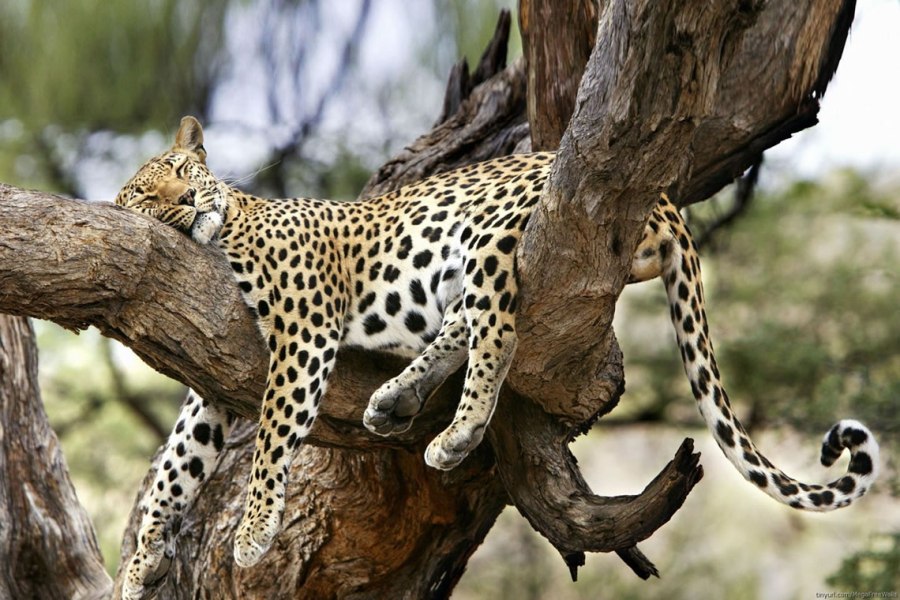
Lions, Leopards and Other Predators
Samburu is home to various predators found in Africa.
Lions roam freely throughout the reserve, while leopards tend to be more elusive and are often hard to spot.
Cheetahs, on the other hand, can sometimes be seen hunting in the open plains.
An interesting predator found in the Samburu ecosystem is the African wild dog.
Although there are no guarantees of finding wild dogs, encounters with packs are among the highlights of safaris in northern Kenya.
Whether or not predators are seen during a game drive depends on the season, prey availability, weather, and animal movements, so every game drive is unique.
Wildlife along the Ewaso Ng’iro River
The Ewaso Ng’iro River that is found in Samburu, is one of the most important features of the park.
The vegetation along the river corridor produces a green zone in an otherwise dry area, attracting elephants, buffaloes, giraffes, antelopes, and birds.
Other creatures found in some of the sections of the river include crocodiles and hippos.
Photographers will enjoy amazing contrasts between riverine vegetation and dry landscape.
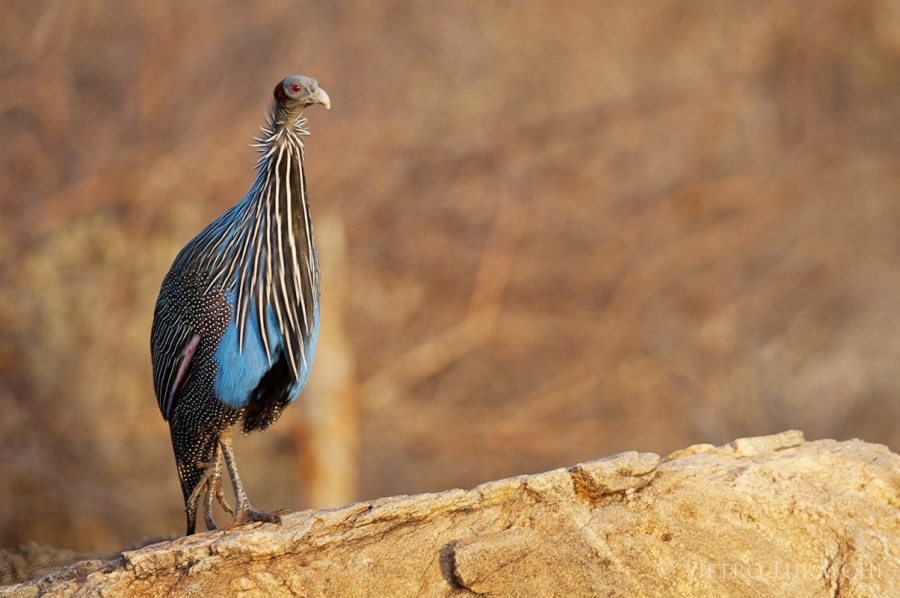
Birdwatching in Samburu
Samburu is the perfect place for birdwatchers.
The combination of riverine vegetation, open plain, woodland, and dry habitat makes it possible to find various bird species in the reserve and its surroundings.
Depending on the season, birdwatchers can see raptors, hornbills, bee-eaters, vultures, ostriches, weavers, kingfishers, and even smaller species.
Birdwatching can easily be combined with a game drive, especially during quiet times.
It is highly recommended to take binoculars.
The Landscape of Samburu
Samburu is more than just wildlife.
It also boasts eye-catching landscapes.
These landscapes feature:
- Savannah plains
- Distant hills
- Rocky cliffs
- Woodland made up of acacias
- Water vegetation in rivers
- Seasonal streams
The dry land structure gives rise to striking contrasts between golden grassland, lush river vegetation, the blue sky, and the rugged hills.
The major attractions include sunrise and sunset, when the shadows move across the hills and plains.
Samburu and Buffalo Springs
Samburu National Reserve is a part of a larger ecosystem incorporating Buffalo Springs National Reserve, located across the Ewaso Ng’iro River.
Both reserves have similar wildlife and are located in proximity.
Including both national reserves in the itinerary of northern Kenya gives a richer experience of the ecosystem.
The two reserves also enable seeing different wildlife depending on the movement of animals during your visit.
Shaba National Reserve
Shaba National Reserve is yet another nearby destination that can be included in an itinerary of northern Kenya.
This area is known for its ravaging landscape comprising dry plains, rugged features, and river habitat.
Shaba enables you to experience the larger ecosystem with a different landscape than that in Samburu.
Samburu Culture Experiences
Samburu can offer cultural experiences with the local Samburu community.
The Samburu community has a close bond with livestock, nature, animals, and the environment.
Cultural experiences can give visitors a chance to learn about the traditional way of life, clothing, music, dances, handicrafts, and customs of the area.
Cultural tourism must be responsible. Tourism should become a part of organized experiences and be done in accordance with local communities’ traditions.
Local guides will explain the essence of different cultures.
Best Things to Do in Samburu
Samburu safari can provide different experiences.
Game Drives
Wildlife safari is the main activity of the tour.
It is also possible to conduct two safaris.
Bird Watching
Birding can be another activity of the trip.
Cultural Visits
Cultural activities are wonderful for learning about the culture of the local people.
Nature and Scenic Viewing
The fantastic vistas create great opportunities for observing nature and taking pictures.
Sundowners
Sundowner activities can be arranged at appropriate sites, enabling travelers to see the beautiful process of changing colors of the sun and enjoy the beauty of Northern Kenya simultaneously.
Best Time to Visit Samburu
The destination can be visited all year round.
Nevertheless, dry seasons are generally preferred by most tourists.
During the dry spells, vegetation is minimized, and animals can be seen better around watering holes such as the Ewaso Ng’iro River.
Moreover, the terrain is more navigable during dry periods.
Wet seasons also have advantages. The rain changes some areas of the otherwise arid terrain, bird activity increases, and the reserve is definitely greener.
So the most favorable time for visiting the region depends on the wildlife potential, birdwatching opportunities, or photo shooting.
How Many Days Do You Need in Samburu?
A two-night stay would be a good option for visiting Samburu.
Here is a sample itinerary:
- Day 1: Get transferred from Nairobi to Samburu and have an evening game drive.
- Day 2: A morning game drive, some relaxation time, a visit to a local cultural site and/or some more wildlife activities, and then an evening game drive again.
- Day 3: A morning game drive before heading back home.
If time permits, it is possible to go on a three- or four-night safari to Samburu, Buffalo Springs, and Shaba.
Longer stays also increase the chances of spotting hidden animals like leopards and wild dogs.
What to Pack for a Samburu Safari
Given the hot climate of Samburu, it is important to be prepared for the situation.
Some of the recommended items for safari include:
- Light fabric clothing
- Comfortable walking shoes
- Layer to keep warm in the morning
- Hat
- Sunglasses
- Sunblock
- Insect spray
- Binoculars
- Camera
- Spare batteries
- Rechargeable battery
- Sustainable water bottle
Neutral garments would be the best choice for the safari if one is going to engage in game drives as well as walking activities.
A light jacket will also be beneficial as mornings and evenings can be colder than expected.
Why Include Samburu in Your Kenya Safari?
Samburu offers travelers a different experience on a safari in Kenya.
Instead of just searching for the Big Five, tourists will have the opportunity to seek animals that have adapted specifically to the northern part of the country.
The Special Five, Ewaso Ng’iro River, varied geography, elephants, predators, birds, and cultural experiences make for a comprehensive safari.
It is also a fantastic pick for people who have been to Maasai Mara, Amboseli, or Tsavo before and want to see other places in Kenya.
Final Thoughts
Samburu National Reserve is one of the most unique safari places to visit in Kenya.
The unique wildlife, beautiful landscape, Ewaso Ng’iro River, and Samburu culture bring something new to the safari.
People can interact with the elephants around the river, try to find the leopard, see gerenuk standing on their back legs, and be inspired by the patterns of the reticulated giraffe.
In addition, observing this part of the country allows travelers to learn about the unique species.