
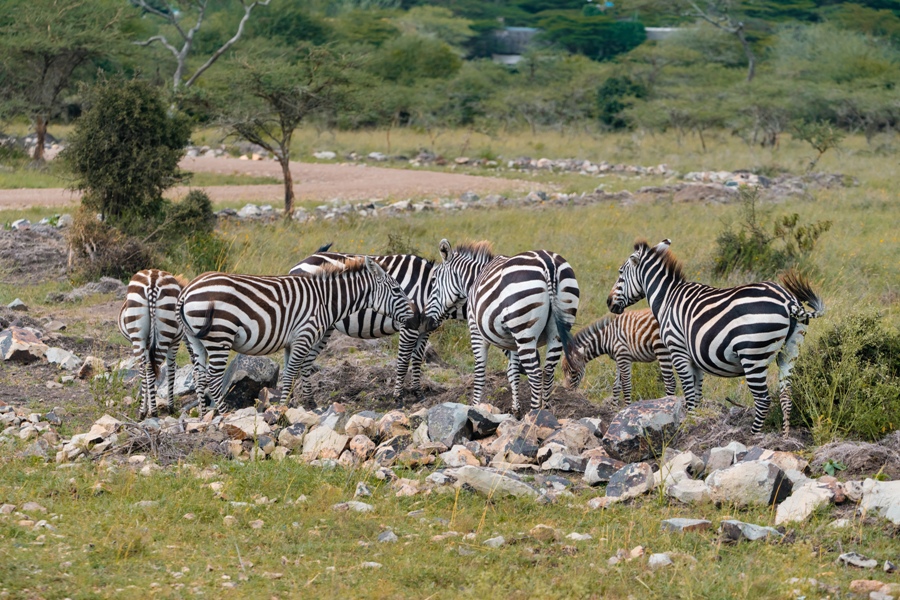
Kenya is one of the best places in Africa for wildlife photography. The beauty of Kenya’s scenery, wildlife, and weather allows you to shoot everything from animal portraits to nature photography.
A wildlife photography safari in Kenya isn’t just about visiting the park and taking your camera along. Your choice of wildlife photography safari destination matters, as it can make a difference in terms of the people you photograph, the scenery you photograph, and the photography you do.
Every wildlife photography safari destination has its unique characteristics of the safari experience. Maasai Mara is well-known for open grasslands, a lot of predators, and the Great Migration. Amboseli is famous for elephants and Mount Kilimanjaro in the background.
In Samburu, you can see a wide variety of animals from northern Kenya. You can see rhinos and lots of birds in Lake Nakuru, while Tsavo has huge elephants and beautiful landscapes. Ol Pejeta provides many opportunities for the documentary side of photography.
In this guide, we describe the most rewarding wildlife photography destinations in Kenya, and how you can make use of these destinations.
Why Kenya Is Excellent for Wildlife Photography
A notable advantage of photography in Kenya is its diversity.
Within a single country, a photographer can travel from the open grasslands to dry northern regions, to wetlands, jungles, mountains, and semi-arid wilderness.
Various places provide different subjects for photography.
You can find:
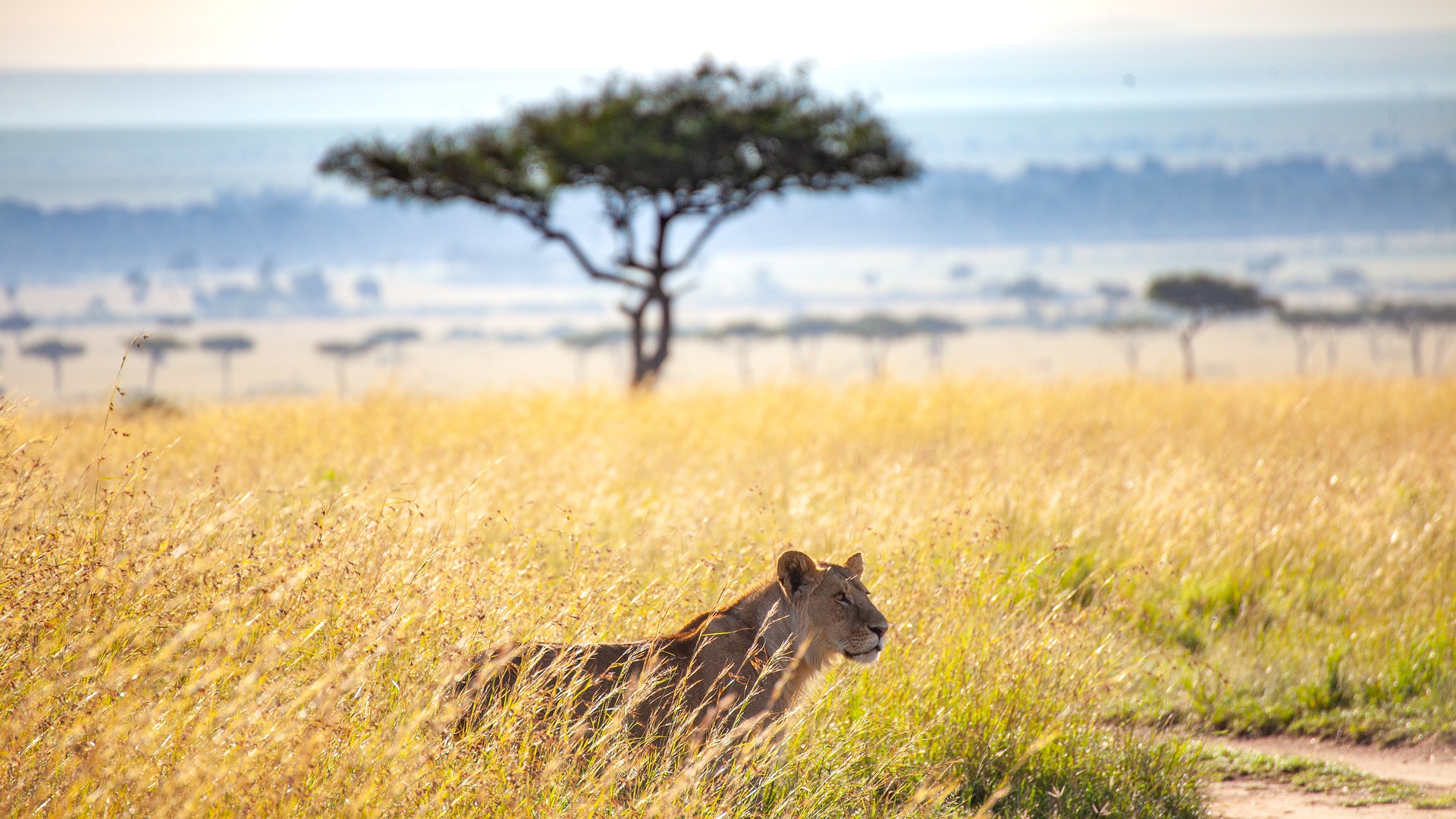
- The lions and cheetahs in Maasai Mara
- The elephants under Mount Kilimanjaro in Amboseli
- The Grevy’s zebras and gerenuks in Samburu
- The rhinos at Ol Pejeta and Lake Nakuru
- The flamingos and other birds around the lakes in the Rift Valley
- The red-coated elephants of Tsavo
- The giraffes, buffaloes, antelopes and endless various birds
So, it will be possible for a person to form a route according to his/her interests in certain types of photo shoots, instead of trying to gather everything in a single national park.
1. Maasai Mara National Reserve: Best for Big Cats and Action
One of the most popular locations for wildlife photography in Africa is the Maasai Mara because of its extensive grasslands. The openness gives excellent visibility to wildlife photographers, while the full range of animals gives them the chance to shoot images of multiple species in action. Some of these animals include:
- Lions
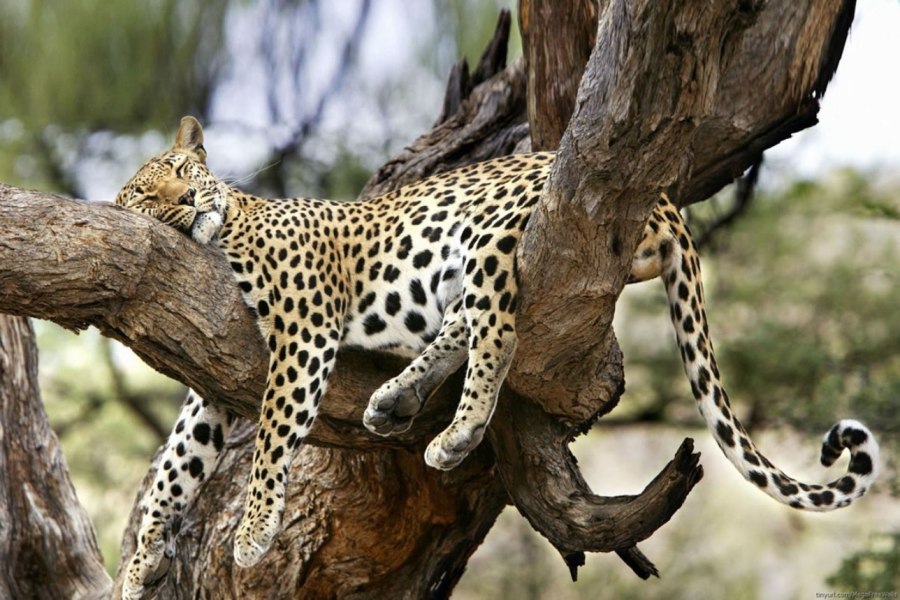
- Leopards
- Cheetahs
- Elephants
- Buffalos
- Giraffes
- Zebras
- Wildebeests
- Hyenas
- Hippopotamuses
In addition, the landscape can provide good backgrounds that help photographers to isolate their subjects.
Photographing Predators in the Mara
The Maasai Mara is a destination that appeals to photographers who are keen on capturing images related to predator activities. The opportunities to see lions that are interacting within their pride, resting, or hunting are endless.
Cheetahs are another attraction too. One can always find plenty of opportunities to capture images of these animals in action as long as one has a camera with a good shutter speed and is well positioned. Leopards, on the other hand, can sometimes be tricky.
They can be elusive and spend a long time in places with thick vegetation, making the process of finding one very appealing for wildlife photographers.
Great Migration Photography
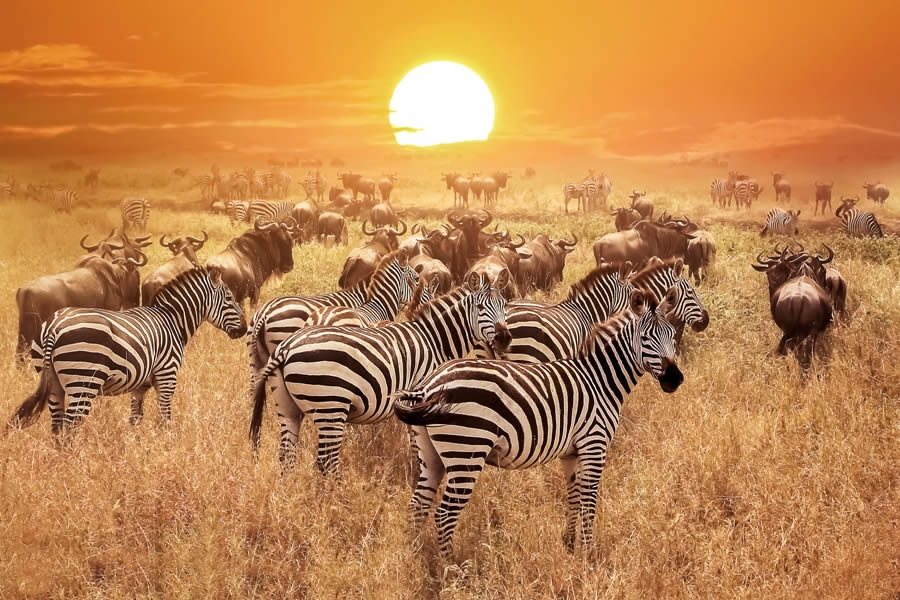
The yearly movement of wildebeest brings a new aspect of photography to Maasai Mara. The migration period witnesses an influx of thousands of wildebeest and other animals into the Mara ecosystem.
The river crossing during migration makes for some spectacular photographs of dust, water, animals, and activity. Sadly, the river crossings cannot be relied upon; therefore, not much of a photographer’s safari can be arranged around this feature.
Even when not in the migration season, the Maasai Mara remains an exciting place for photographic opportunities.
2. Amboseli National Park: Best for Elephants and Mount Kilimanjaro
Amboseli presents one of the best places in Kenya for wildlife photography.
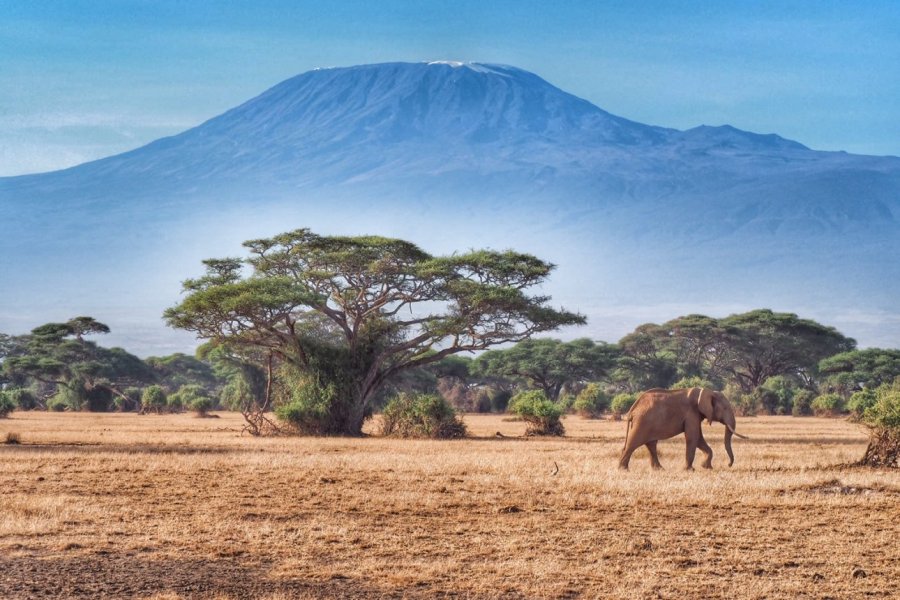
One distinctive feature of the park is the numerous elephants and the stunning open landscape with a view of Mount Kilimanjaro in the background.
The thing that most photographers appreciate about this location is the combination of landscape and wildlife photography.
Just imagine the family of elephants moving across the vast plain with Kilimanjaro in the background; this is one of the images that made Amboseli popular all over the world.
Why Photographers Love Amboseli
Due to Amboseli’s open landscape, spotting and capturing wildlife is quite easy.
The following types of shots may be made here:
- Elephant portraits
- Elephant herds
- Environmental images of wildlife
- Different view of Mount Kilimanjaro
- Dust and shadow photography
- Giraffes images
- Images of zebras and wildebeests
- Photography of wetlands
In the morning sunlight, photographers may get a clearer view of the mountain than later due to changing weather. However, they need to be prepared to capture good images even without the mountain.
3. Samburu National Reserve: Best for Unique Wildlife
Samburu provides an entirely different view than Maasai Mara and Amboseli.
The dry northern region has rocky ground and acacia plants, and it has riverine areas along with spectacular skies.
It is also known for the animals that live in the northern Kenya region.
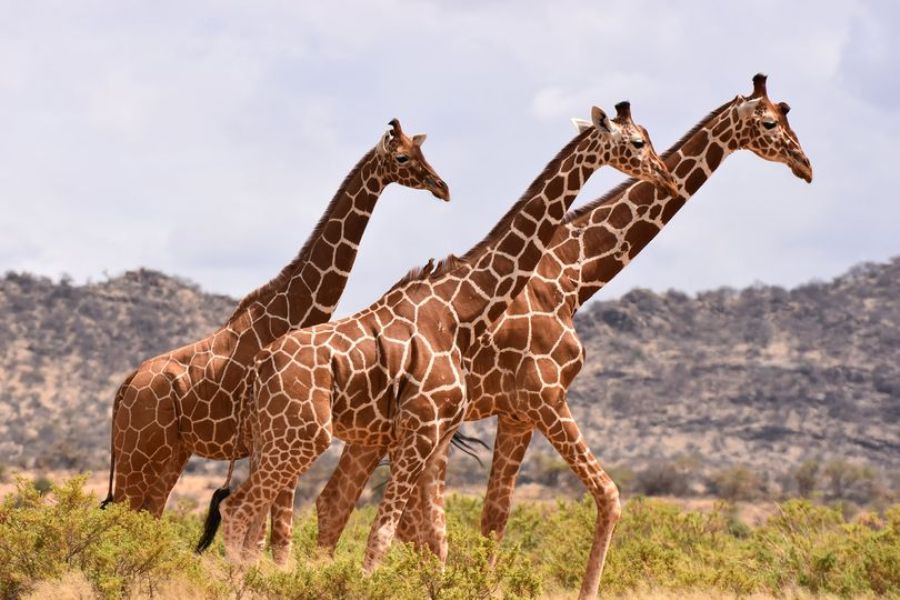
Photographers wish to find the five specific animal species of Samburu, also known as the Samburu Special Five:
- Grevy’s zebra
- Reticulated giraffe
- Gerenuk
- Beisa oryx
- Somali ostrich
These animals will provide a collection of photos that look very different from the photos taken in southern Kenya.
4. Lake Nakuru National Park: Best for Rhinos and Bird Photography
Lake Nakuru provides an unusual photographic opportunity different from the wide-open savannah parks.
This park encompasses not only a lake, but also woodlands, grasslands, and the Rift Valley scenery around the area.
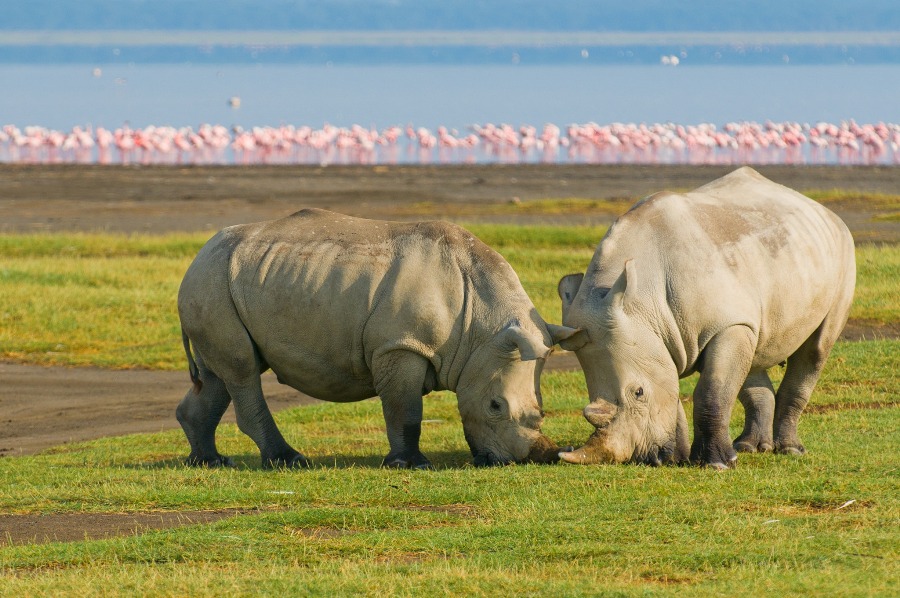
It is particularly useful for photographers who are interested in:
- White rhinos
- Black rhinos
- Flamingos
- Pelicans
- Waterbirds
- Rothschild’s giraffes
- Buffaloes
- Lions
- Leopards
While the number of flamingos can vary in accordance with the conditions of the lake, it is not wise to think that there will always be lots of birds at the shore.
In case there are fewer flamingos, Lake Nakuru will still be a great place to take pictures of other birds and rhinos.
5. Tsavo East and Tsavo West: Best for Wilderness and Dramatic Landscapes
Tsavo provides a unique type of wildlife photography.
The combined Tsavo East and West are a large wilderness that has large wilderness characteristics: open-sky scenery, hilly landscapes, and different habitats.
The highlight of Tsavo is the red-colored elephants.
The red color of the elephants comes from the iron-rich soil and dust in the surroundings.
The result is exceptional wildlife pictures that no other Kenyan wildlife parks can offer.
Beyond the Elephants
Tsavo has opportunities for photographers who want to capture images such as:
- Lions
- Leopards
- Giraffes
- Zebras
- Buffalos
- Antelopes
- Birds
- Crocodiles
- Hippopotamuses
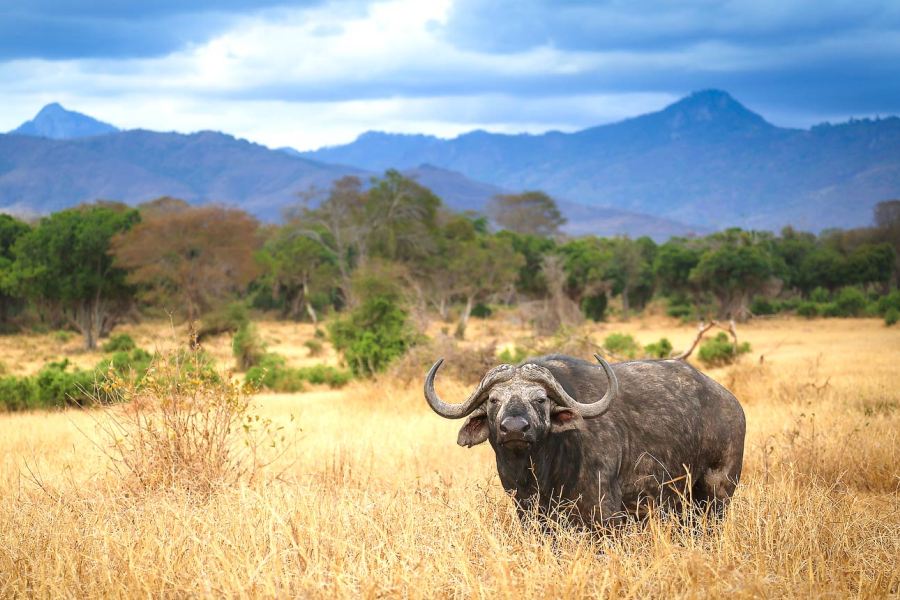
Tsavo West has attractions and volcanic features of interest, such as Mzima Springs, while Tsavo East offers scenery with wide-open spaces.
For photographers interested in environmental photography, Tsavo is perfect, as the landscape is a key component of the photos.
6. Ol Pejeta Conservancy: Best for Rhino and Conservation Photography
Although it is a conservancy and not a national reserve, Ol Pejeta must be included in every wildlife photography itinerary in Kenya. Ol Pejeta is located in Laikipia and boasts amazing opportunities for the photo shoots of elephants, lions, rhinos, chimps, and other wild animals.
With Ol Pejeta being so heavily focused on conservation, it allows for brand new aspects of wildlife tourism. It is possible to take pictures of different animals and learn about their conservation efforts to protect them and their environment.
Among other activities at the conservancy, rhino photography can be mentioned as one of the most attractive. Moreover, the last two northern white rhinos are also residing in Ol Pejeta, making wildlife conservation photography particularly important at this venue.
7. Nairobi National Park: Best for a Short Photography Safari
You do not have to travel for hours to take pictures of wildlife in Kenya!
In fact, Nairobi National Park is conveniently located at a short distance from the capital city, enabling one to take pictures of wildlife against the background of the buildings in Nairobi.
Thanks to the unique climate of the park, every year it hosts many different species of animals, including:
- Lions
- Rhinos
- Giraffes
- Cape Buffaloes
- Zebras
- Wildebeests
- Gazelles
- Numerous birds
If you have only a few hours for wildlife photography, the park is a great option to start with.
What Camera Gear Should You Bring?
You don’t need the latest and costliest camera equipment when going on a Kenyan photography safari.
A good quality telephoto lens can prove extremely useful in this regard.
An ideal equipment set might include:
- Camera
- Telephoto zoom lens
- Wide-angle or standard zoom lens
- Extra battery packs
- Multiple memory cards
- Power bank
- Bean bag or similar support
- Camera cleaning kit
- Dust-proof bag
- Binoculars
The optimal telephoto lens should be between 100 mm and 400 mm or 150 mm and 600 mm for wildlife photos.
A wider lens proves handy for landscapes, environmental portraits, and shots of animals that include their surroundings.
Wildlife Photography Settings
When it comes to safari photography, conditions can change rapidly.
For animals on the move, fast shutter speeds can freeze movement.
In practice, this means that faster settings can help when photographing:
- Cheetahs running
- Birds in flight
- Animals fighting
- Elephants walking
- Dusty action shots
When it comes to unpredictable movements, continuous autofocus capabilities as well as burst shooting methods must be used.
However, one should not think that technical settings alone can be enough to succeed in wildlife photography.
Understanding animal behaviour, paying attention to light, and predicting the movement of animals remain equally important.
Final Thoughts
A photography safari in Kenya is about so much more than just photographing the Big Five.
It is about acquiring varied photographs over a range of landscapes and climates.
The Maasai Mara has a lot to offer in terms of predator action and migration, while Amboseli provides elephants and spectacular Mt. Kilimanjaro backgrounds, and Samburu has unique species from the north. Lake Nakuru is home to rhinos and birds; Tsavo is large, wild, and beautiful, whereas Ol Pejeta makes you think about conservation.
The secret to a good photo safari is not only a good camera. You need to plan your time wisely, select your locations according to your particular interest in nature photography, find a good guide, and make sure you watch the lighting and animal behaviour, and let animals take you to a place of their own.
In the right hands, Kenya will not only let you record individual animals but landscapes, moods and tales of one of the most spectacular wildlife countries